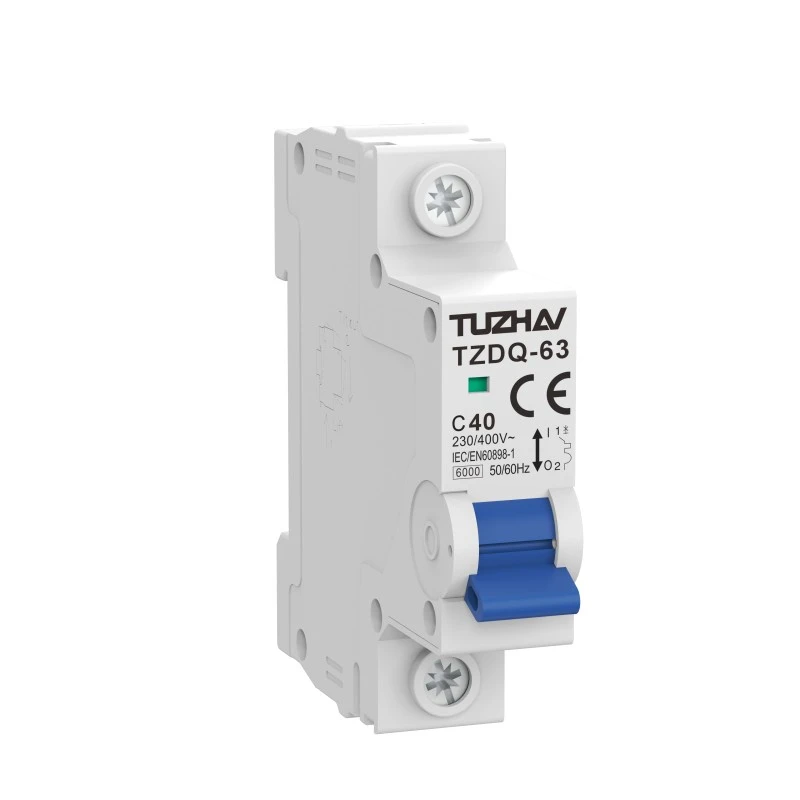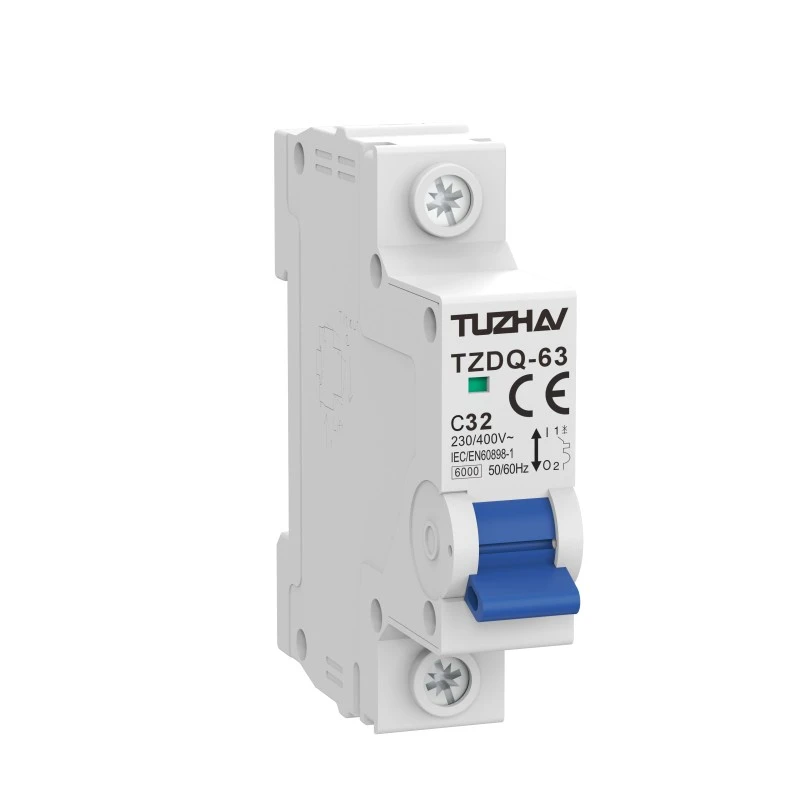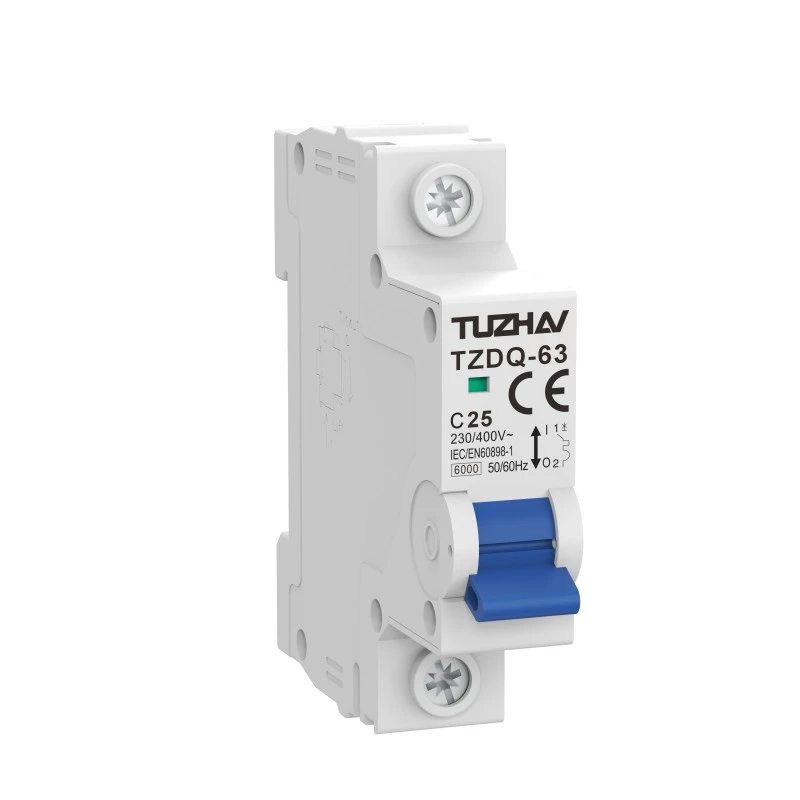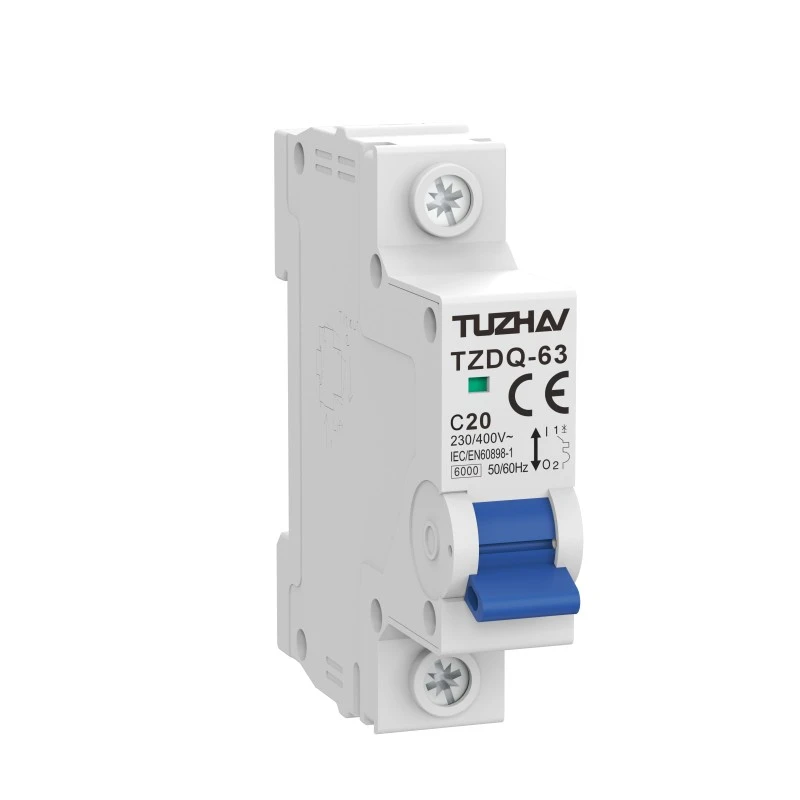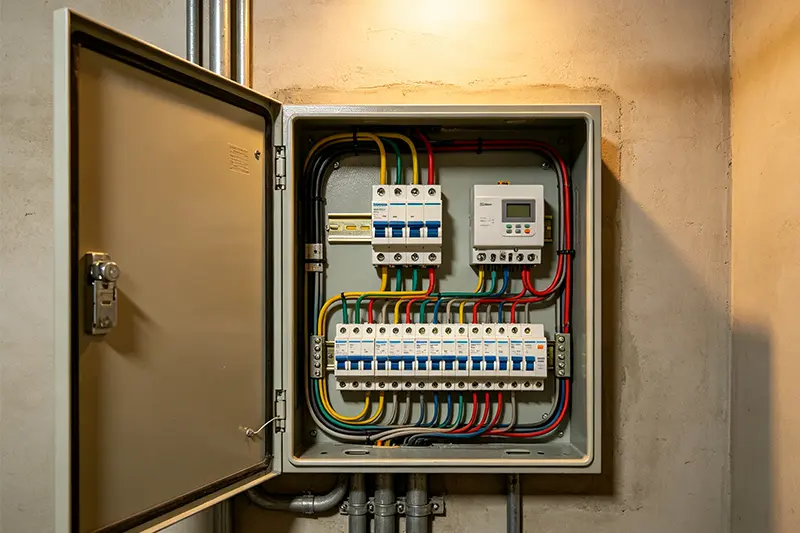
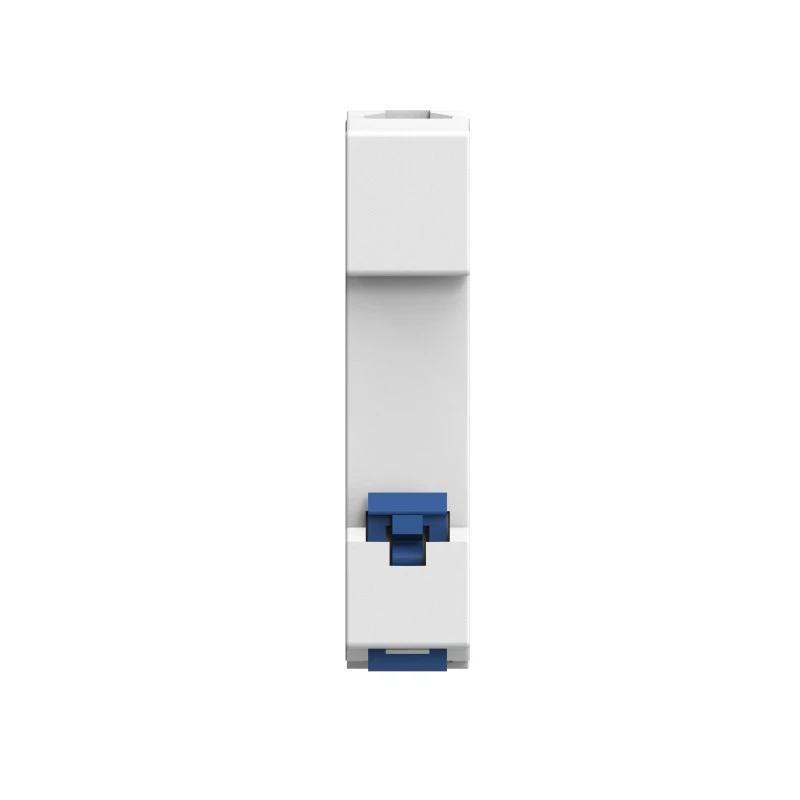
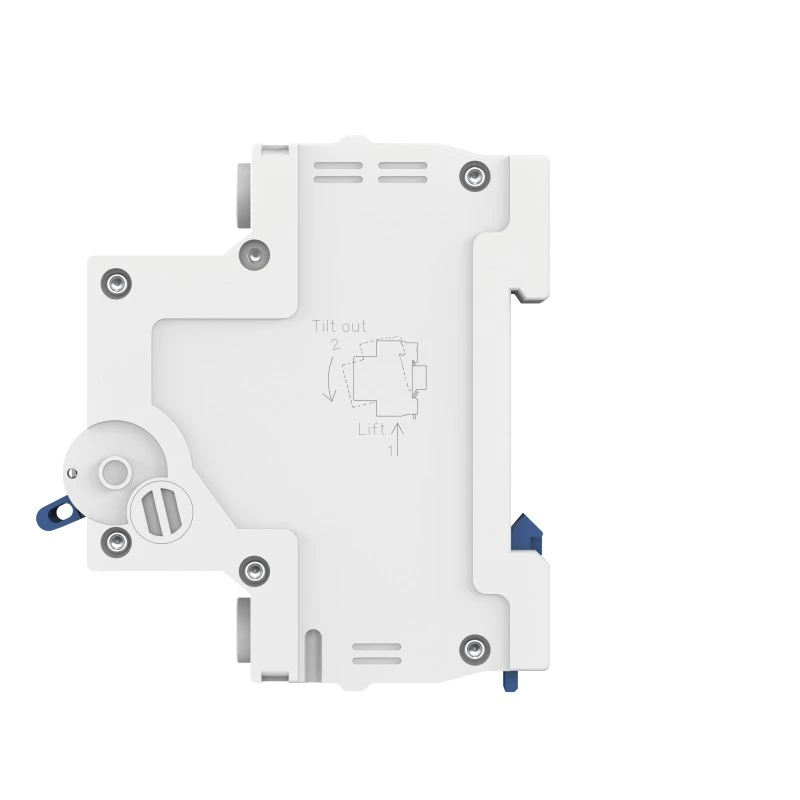
A mixed branch rarely draws what its nameplate suggests. Lighting, socket outlets, ventilation equipment and small machines switch on and off independently, so the breaker has to be sized for the combined demand of the feeder — not for one appliance in isolation.
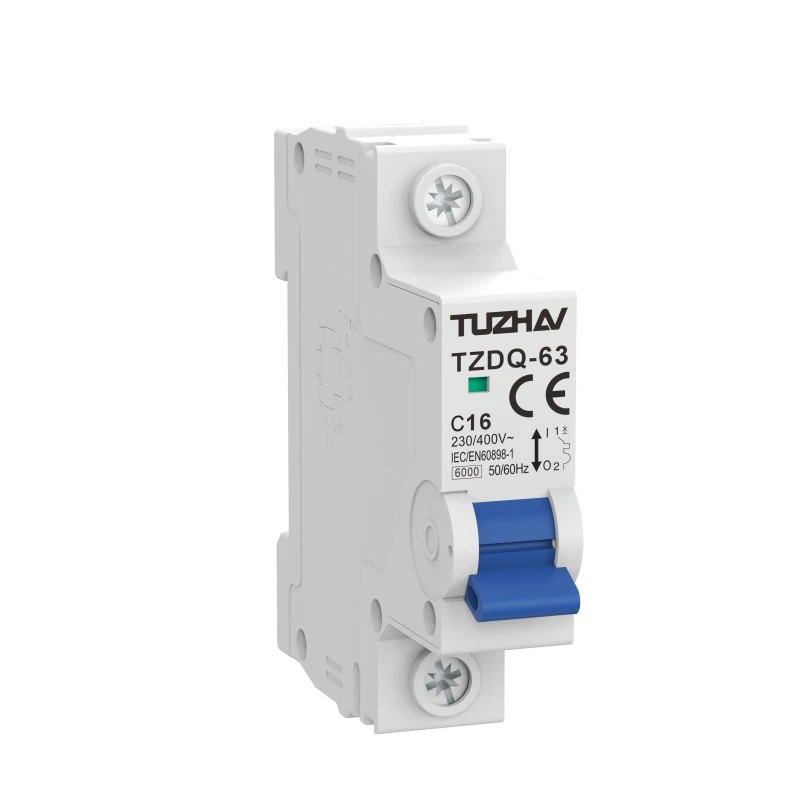
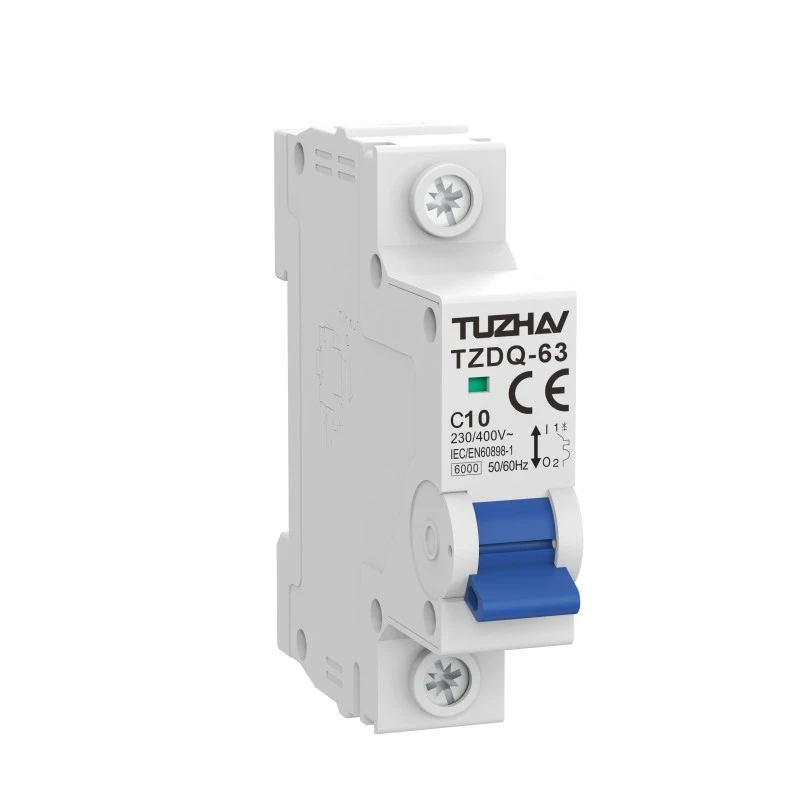
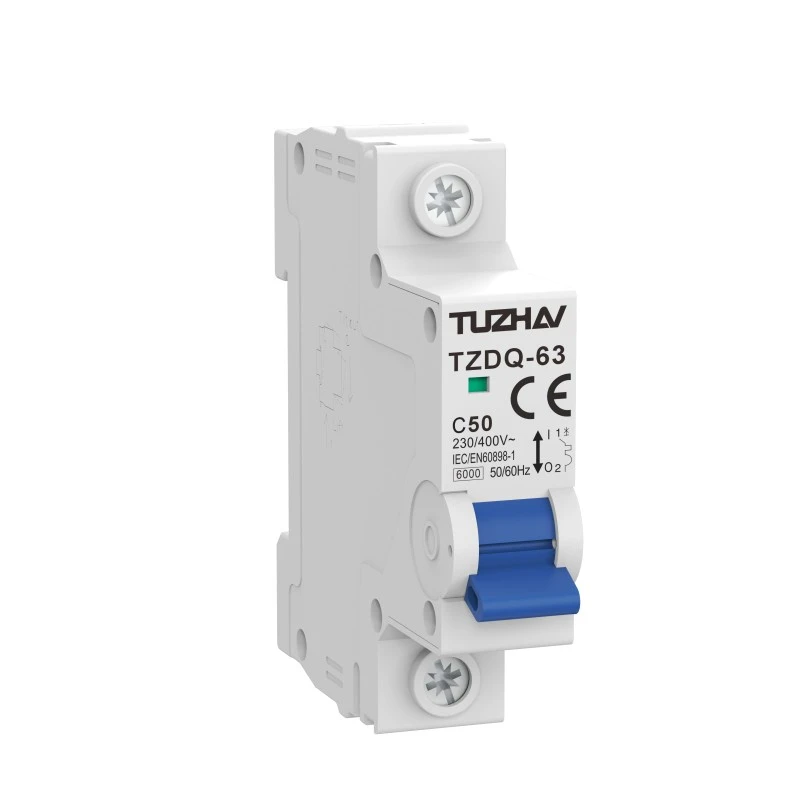
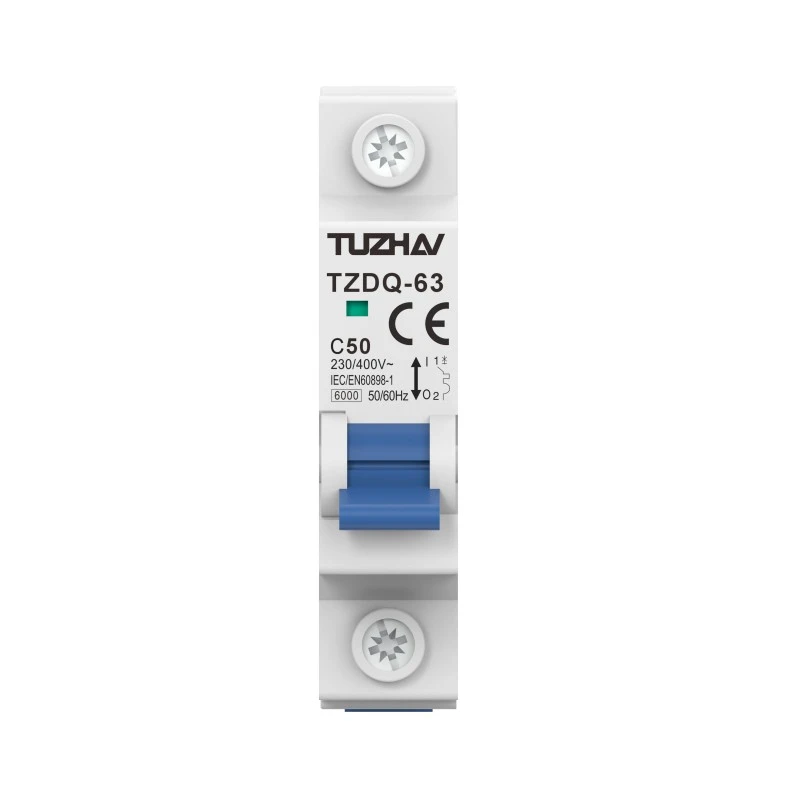
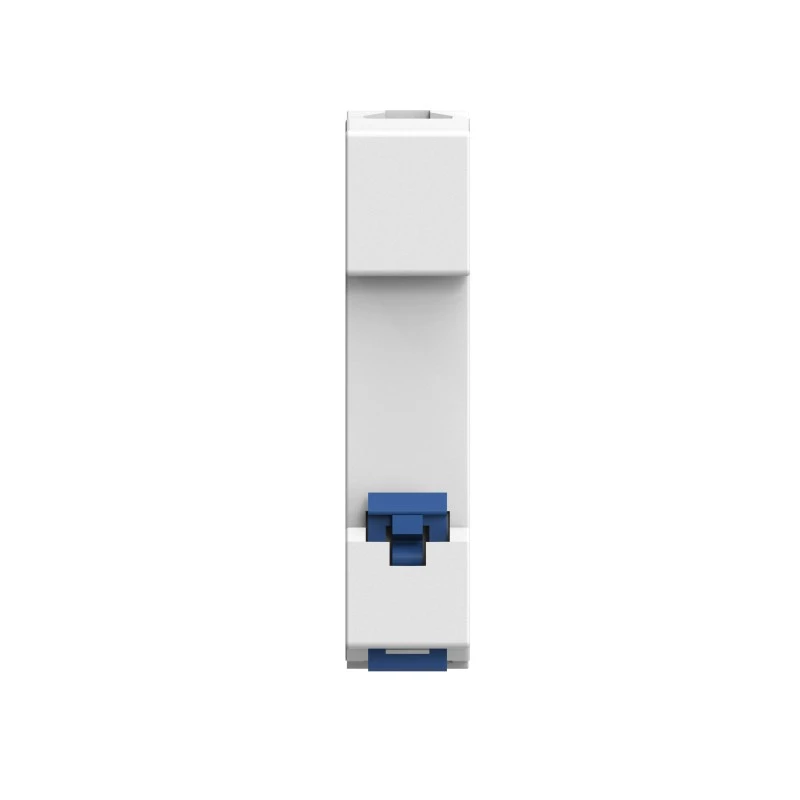
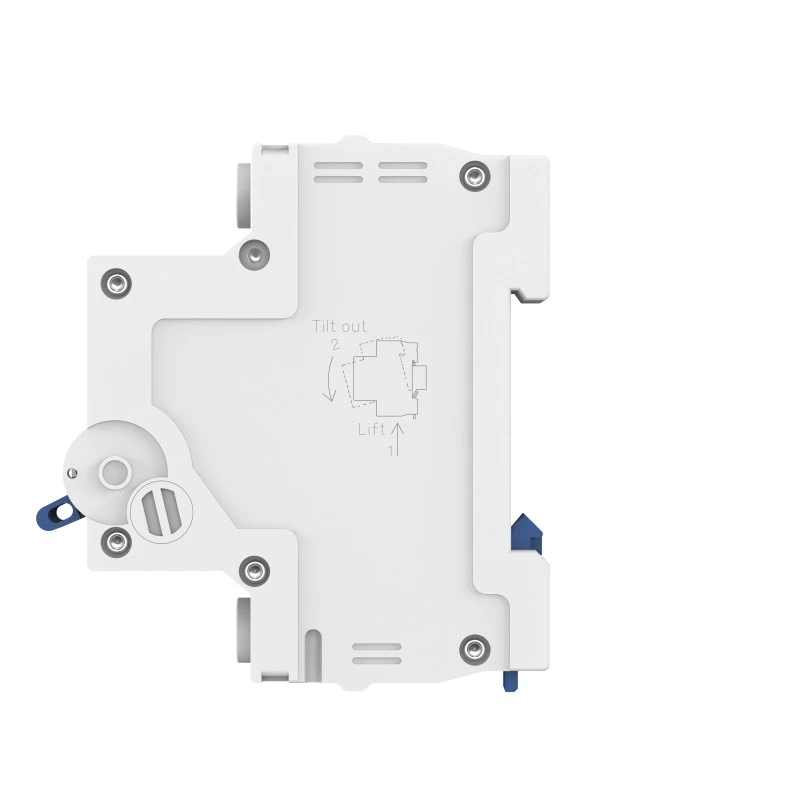
The 50A Miniature Circuit Breaker covers that job in a single 18mm module. A thermal-magnetic mechanism clears sustained overloads and high fault currents, and both C and D curves are offered so the magnetic threshold can follow the inrush behaviour of your loads. Choose 6kA or 10kA breaking capacity to match the prospective short-circuit current at the panel.
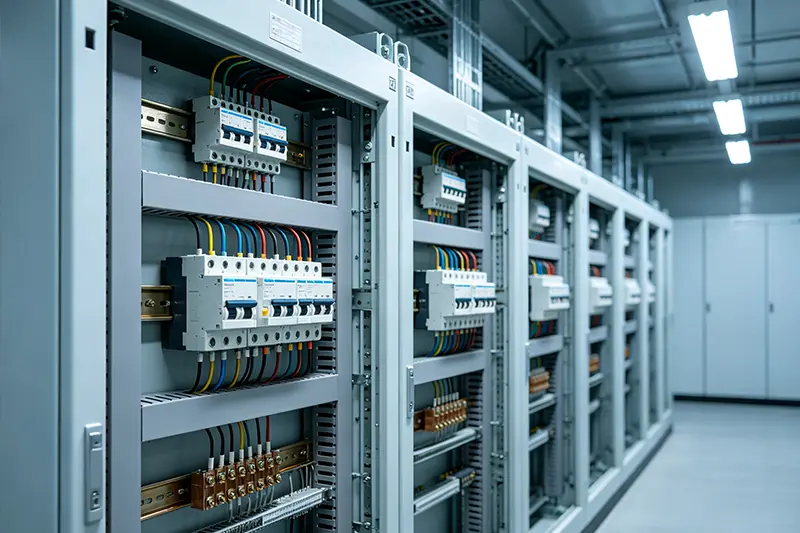
Mounting is standard 35mm DIN rail, available in 1P, 1P+N, 2P, 3P and 4P for single-phase and three-phase distribution. Typical duty is branch feeders in workshops, retail premises and equipment rooms. Before specifying, confirm the feeder cable's corrected current-carrying capacity, the fault level and coordination with the devices upstream and downstream.
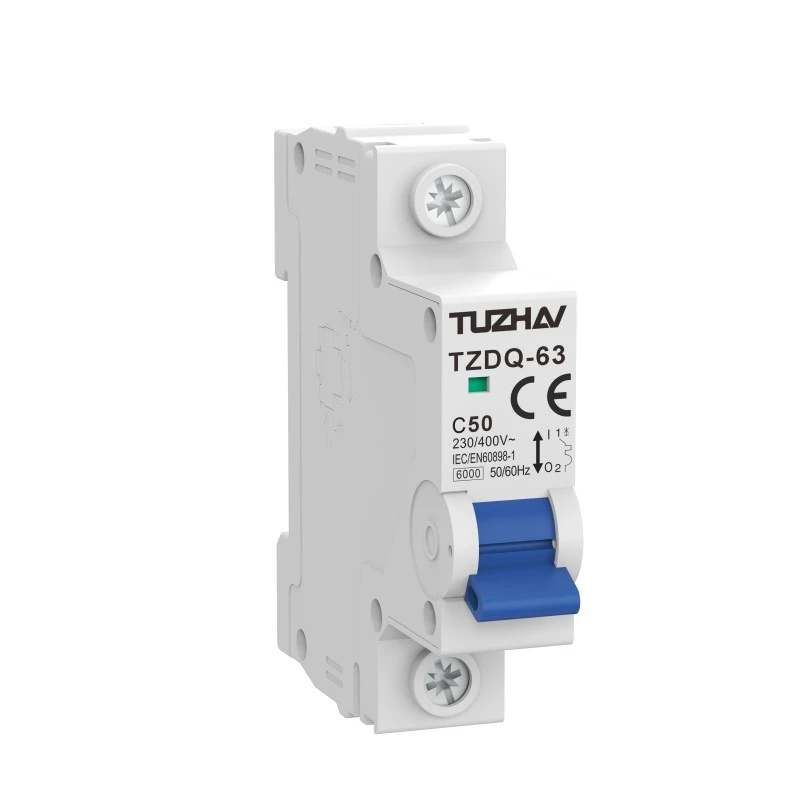
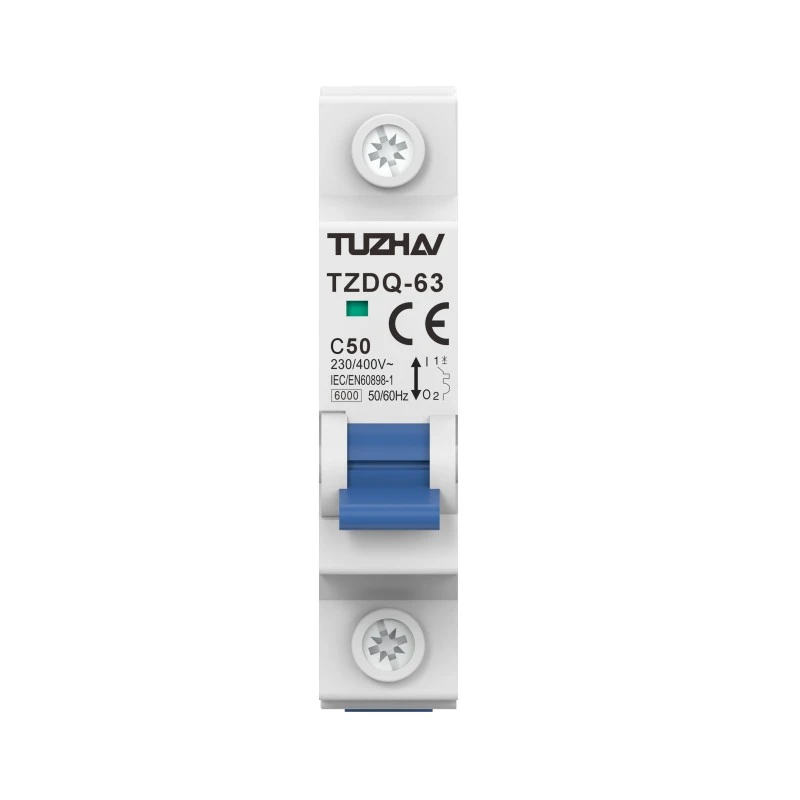
Thermal element for overload, magnetic element for short circuit. Both faults are cleared without adding a second protective component to the rail.
C curve for moderate inrush, D curve where motor or transformer start-up current is high and the loop allows a higher magnetic threshold.
Match the breaking capacity to the prospective fault current at your installation point — no oversizing, no guesswork.
A three-position handle shows on, off or tripped at a glance, so a fault trip is never mistaken for a manual switch-off during maintenance.
18mm single-pole width on 35mm DIN rail, 1P to 4P, so retrofits do not need busbar or enclosure rework.
Cover printing, handle marking and packaging to your artwork, subject to MOQ — useful for private-label and panel-builder ranges.
| Product Type | 50A Miniature Circuit Breaker (MCB) |
| Rated Current | 50A |
| Tripping Curve | C curve standard; D curve optional |
| Rated Voltage | AC 230V / 400V; DC version available on request |
| Breaking Capacity | 6kA / 10kA options |
| Pole Configurations | 1P, 1P+N, 2P, 3P, 4P |
| Mounting | 35mm DIN rail |
| Housing Material | Flame-retardant PC |
| Handle Indication | Three-position handle with trip indication |
| Operating Temperature | -25°C to +70°C |
| Protection Degree | IP20; for installation inside a suitable enclosure |
| Single-Pole Dimensions | 18mm wide × 80mm high × 66mm deep |
| Reference Standards | IEC 60898-1, GB 10963.1 |
Confirm the rated voltage, breaking capacity, pole configuration and applicable standard of the exact model before the specification is frozen.
The conductor must have enough corrected ampacity for the device and the installation conditions. Material, insulation, installation method, ambient temperature, grouping, route length and voltage drop all feed into the final choice — a 16mm² copper cable may suit some routes and fail others.
The available 6kA and 10kA versions must be checked against the prospective short-circuit current at the installation point. Rated current and breaking capacity describe two different things; the higher figure alone proves nothing.
Mixed branches hold equipment with different duty cycles and start-up currents. Assess the load profile instead of assuming every connected item runs at full load continuously, or that all of them can start together.
Set the number of poles from the supply arrangement, isolation requirements and local wiring rules — not from what happens to be in stock.
The C or D curve should follow the connected equipment and the fault-protection requirement of the circuit.
| Consideration | C Curve | D Curve |
| Typical instantaneous magnetic tripping range | 5–10 × rated current | 10–20 × rated current |
| Potential fit | Loads with moderate inrush current | Loads with higher inrush current |
| Key selection check | Load start-up characteristics and fault protection | Load start-up characteristics and the fault-disconnection conditions required |
These are typical ranges under the relevant standard. A D-curve device is not automatically the better choice for a mixed-load branch — the higher magnetic threshold changes the fault current and disconnection conditions your installation design has to satisfy.
A branch feeder breaker works as part of a system. A panel may, for example, use a 50A upstream branch device with lower-rated downstream MCBs at 25A or 32A where the circuit design supports it.
Different current ratings alone do not guarantee selective tripping. Coordination depends on the time-current characteristics of both devices, the fault current available and manufacturer-tested coordination data.
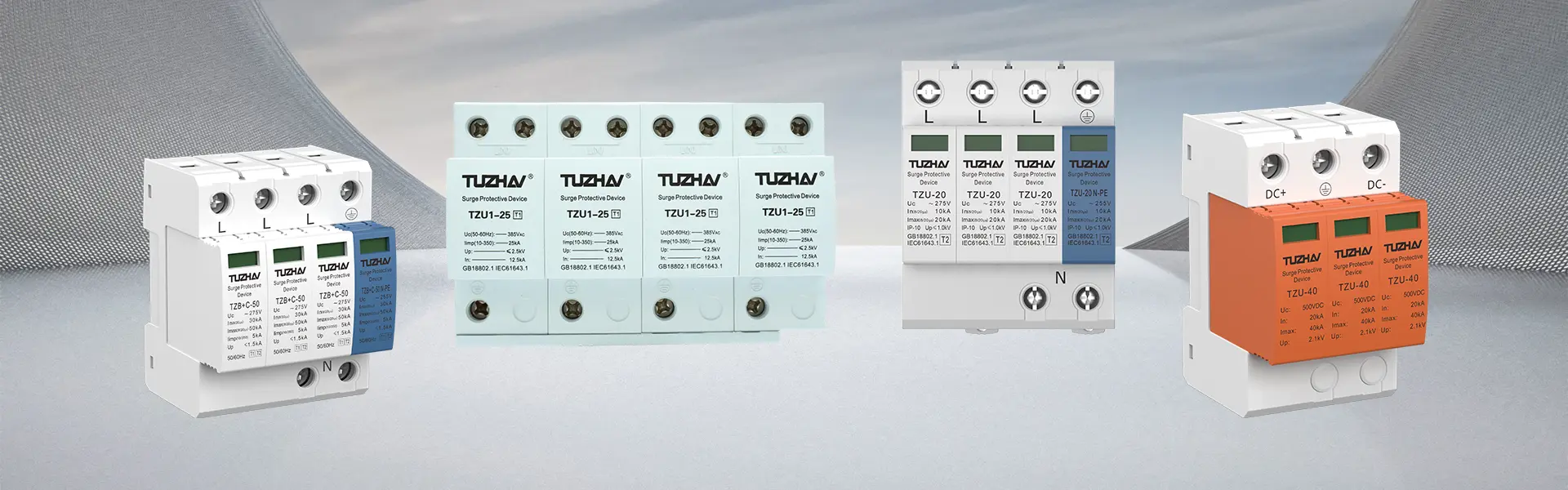
Where surge protection is required, an SPD may be added — with a surge backup protector where the SPD manufacturer calls for dedicated backup disconnection. An SPD serves a different purpose from an MCB, and any backup overcurrent protection must follow the SPD manufacturer's instructions. The complete panel design should cover overcurrent protection, surge protection, conductor sizing and the intended fault-isolation arrangement.
Suitability depends on the actual supply system, load calculation, cable design and protective-device coordination. It should not be treated as a universal main breaker for an entire building.
Ask for the records that matter to your project and we will supply them for the exact model ordered — incoming material inspection records, routine electrical and trip-function test records, temperature-rise or short-circuit reports where performed, product traceability information, and applicable conformity declarations and certificates.
Quality control runs through the whole line: material checks on arrival, controlled assembly, calibration of the thermal and magnetic elements, and a routine trip test on every unit before packing. Statements about full inspection, temperature-rise performance or short-circuit testing are supported by records for the relevant model. Referencing IEC 60898-1 or GB 10963.1 does not by itself establish third-party certification, so read the paperwork against the model you are buying.
OEM printing is supported, so the cover, handle and packaging can carry your brand, part number and language set — send the artwork and tell us how you want the marking customized. Production runs in our China factory, and because we also build SPDs, backup protectors and distribution boxes, one supplier can cover the whole protection package for a panel project.
Before requesting a quotation, confirm the current rating, tripping curve, voltage, pole configuration, breaking capacity and destination market. For panel projects, include the circuit diagram or equipment schedule so the proposed configuration can be checked against the application. Also confirm MOQ, sample availability, lead time, warranty terms and the compliance documentation needed for the specific order.
Every unit leaves the line in an individual box, then travels in a five-layer corrugated carton strong enough for export handling and stacked storage. The quantities below are the standard pack for each pole version, so you can work out carton counts and pallet weight before ordering.
| Inner Packing | Neutral paper box as standard; custom printed box available |
| Inner Box Dimensions | 220 × 96 × 73mm |
| Quantity per Inner Box | 1P: 12 pcs | 2P: 6 pcs | 3P: 4 pcs | 4P: 3 pcs |
| Outer Carton Type | Corrugated carton |
| Outer Carton Dimensions | 50.5 × 31 × 23.5cm |
| Outer Carton Material | Five-layer corrugated board |
Custom box printing, barcode labels, market-specific language sets and mixed-pole carton plans can all be arranged before production. Tell us the destination and the handling method and we will confirm the packing that fits.
Not by rating alone. Building incoming protection must be designed around the calculated demand, supply arrangement, fault level and local regulations. This device is presented for suitable branch-circuit applications; the overall design decides whether a particular use is appropriate.
It can be used in a distribution arrangement with lower-rated downstream breakers when the feeder, load calculation and protective-device coordination support it. The rating relationship alone does not guarantee selectivity or correct cable protection.
It may be suitable under some installation conditions, but that cannot be confirmed from cross-sectional area alone. Check the conductor's corrected ampacity, installation method, insulation, grouping, ambient temperature, cable length, voltage drop and local wiring rules before specifying the feeder.
Consider a D curve when the connected load has a sufficiently high inrush current and the circuit design permits the corresponding magnetic tripping threshold. Verify the required fault-disconnection conditions rather than choosing a curve simply because the panel supplies motors.
The required breaking capacity depends on the prospective short-circuit current at the installation point. Select a rating suitable for that fault level and the applicable system requirements; a higher figure alone does not make the device appropriate for every installation.
Units are packed in a neutral paper box measuring 220 × 96 × 73mm, holding 12 pcs for 1P, 6 pcs for 2P, 4 pcs for 3P and 3 pcs for 4P. Inner boxes are then packed in a five-layer corrugated outer carton of 50.5 × 31 × 23.5cm. Custom printed inner boxes and labels are available.
OEM printing is supported on the product, the inner box and the outer carton. Confirm the model configuration, artwork, MOQ, sample arrangements, lead time and required market documentation with us before ordering.
We will confirm the 50A Miniature Circuit Breaker configuration, curve and breaking capacity that fit your circuit, and reply with samples, pricing, packing plan and lead time.
Address
No.51, Changjiang Road, Wenzhou Bridge Industrial Zone, Beibaixiang Town, Yueqing City, Zhejiang Province, China
Tel