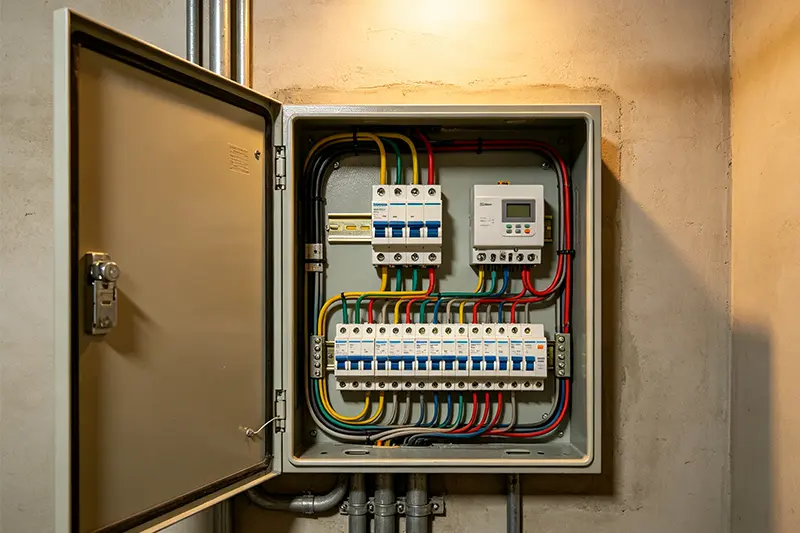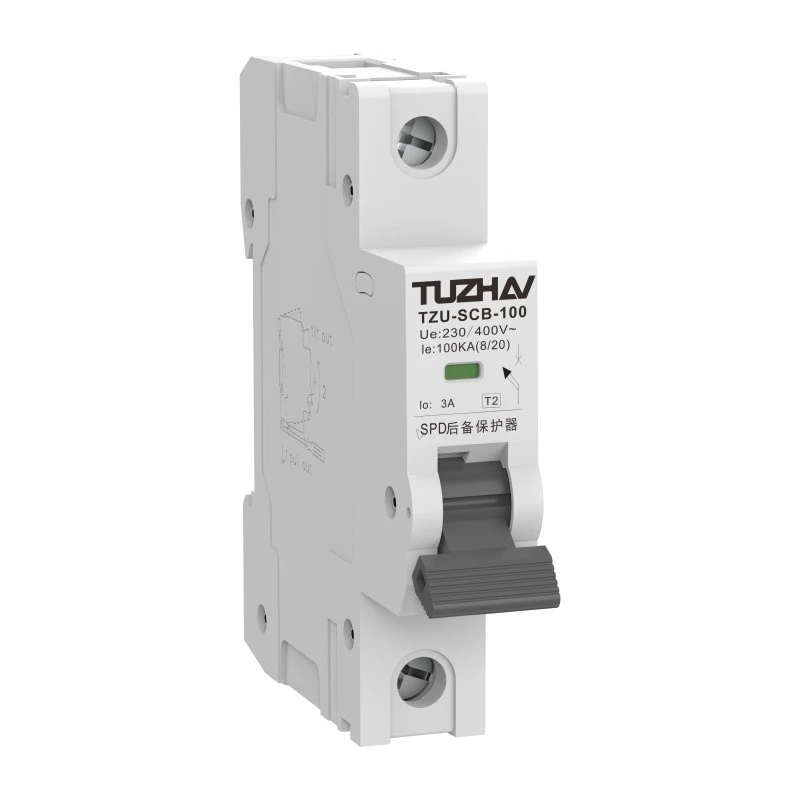
Building electrical safety directly influences property security and equipment service life. In residential houses, office buildings, retail malls and multi‑unit apartment blocks, Circuit Breaker and Surge Protective Device constitute two layers of indispensable power‑system defence — yet many projects still specify only circuit‑breaker sizing while ignoring surge‑protection configuration.
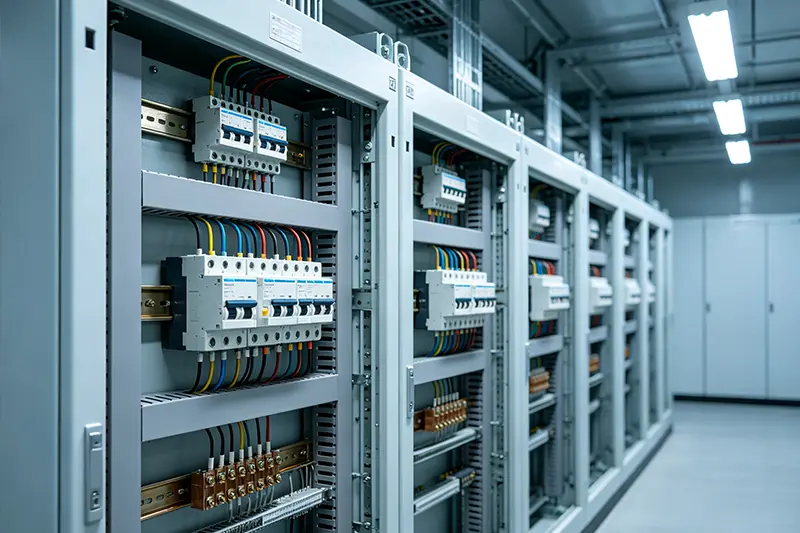
Inside every building distribution panel, miniature circuit breakers serve as primary over‑current protection for lighting, power sockets and heavy‑duty home appliances. Residual‑current circuit breakers add earth‑leakage protection, preventing electric‑shock hazards. When short‑circuit or overload incidents occur, circuit breakers cut off power rapidly to avoid cable thermal damage and building fire risks.
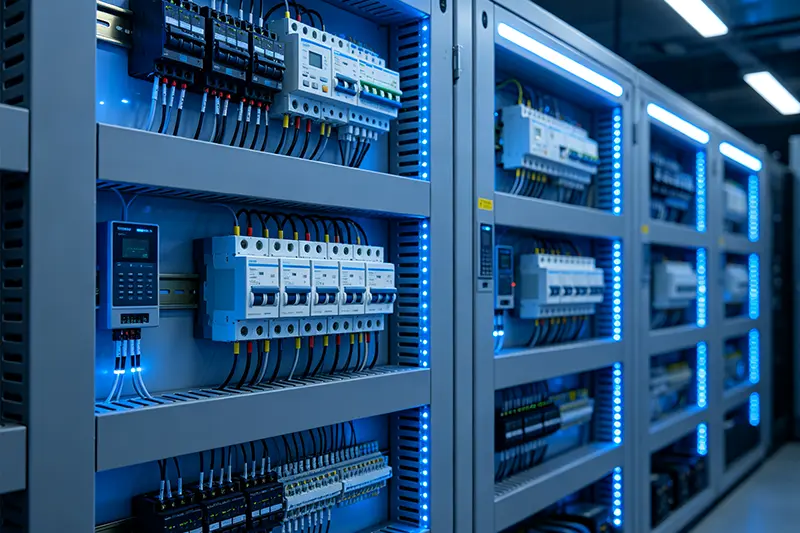
For larger commercial buildings, molded‑case circuit breakers handle main‑incoming power and heavy‑load distribution branches, while distribution boxes organize the branch layout. However, as emphasized repeatedly by electrical‑safety experts, circuit breakers cannot detect lightning‑caused or switching‑operation‑caused voltage surges. These brief but high‑magnitude surges pass through breakers without triggering trips — and can destroy expensive connected electronic hardware.
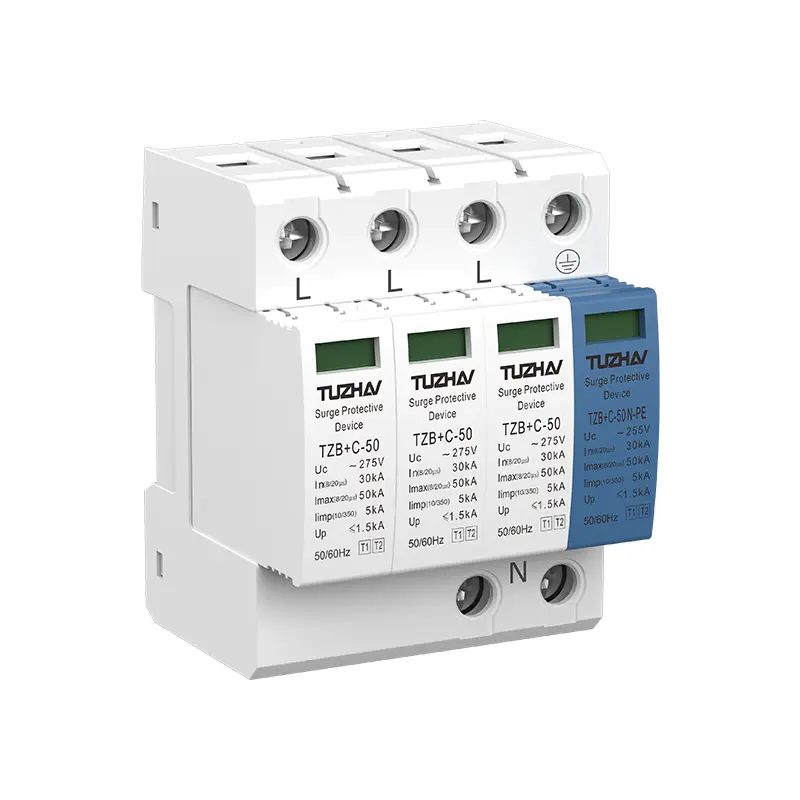
A properly selected Surge Protective Device solves this blind spot. For general residential buildings, a Type 2 Surge Protective Device installed on the main distribution‑board DIN rail offers cost‑effective whole‑house surge defence.
For high‑rise commercial buildings located in thunder‑prone zones, multi‑stage SPD deployment is recommended: a Type 1+2 combined Surge Protective Device at the building main power intake, secondary Type 2 SPD inside floor‑level distribution cabinets, plus Type 3 terminal Surge Protective Device close to high‑value sensitive equipment such as servers and audio‑visual hardware. SPD diverts surge energy to protective earth within nanoseconds, clamping hazardous over‑voltage down to safe levels for downstream devices.
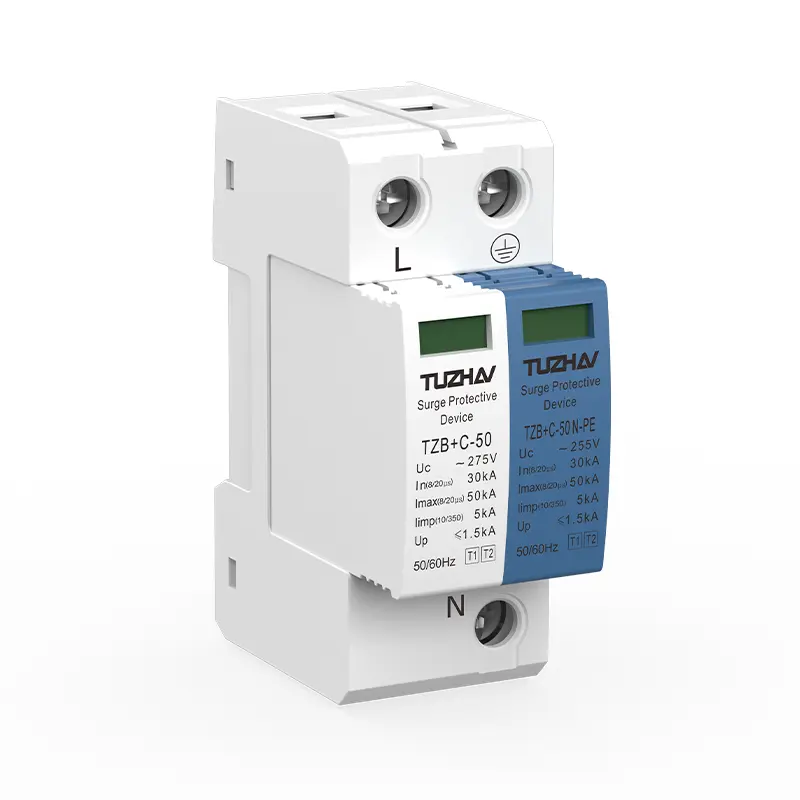
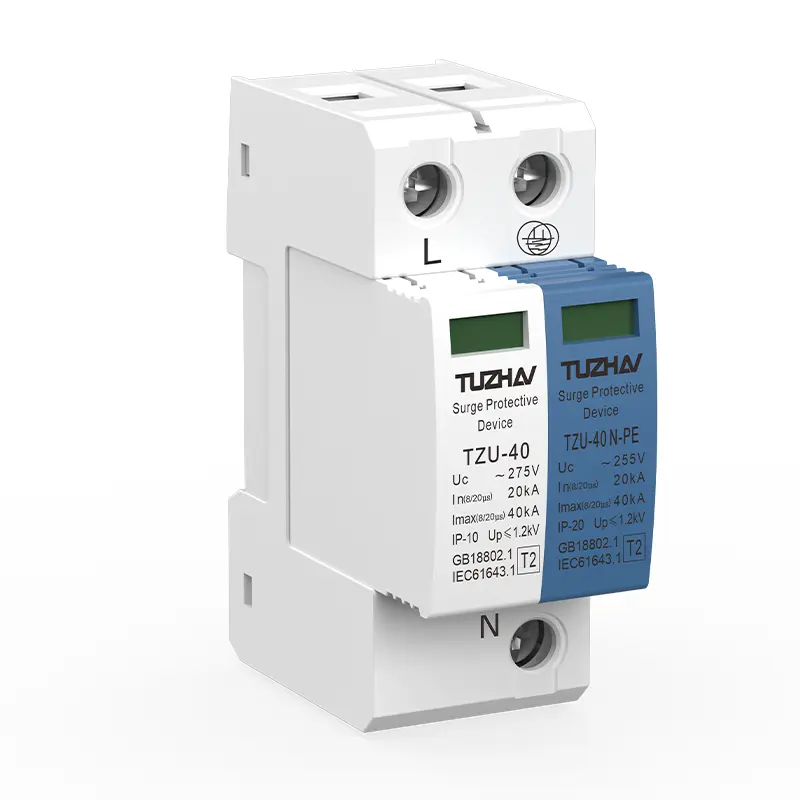
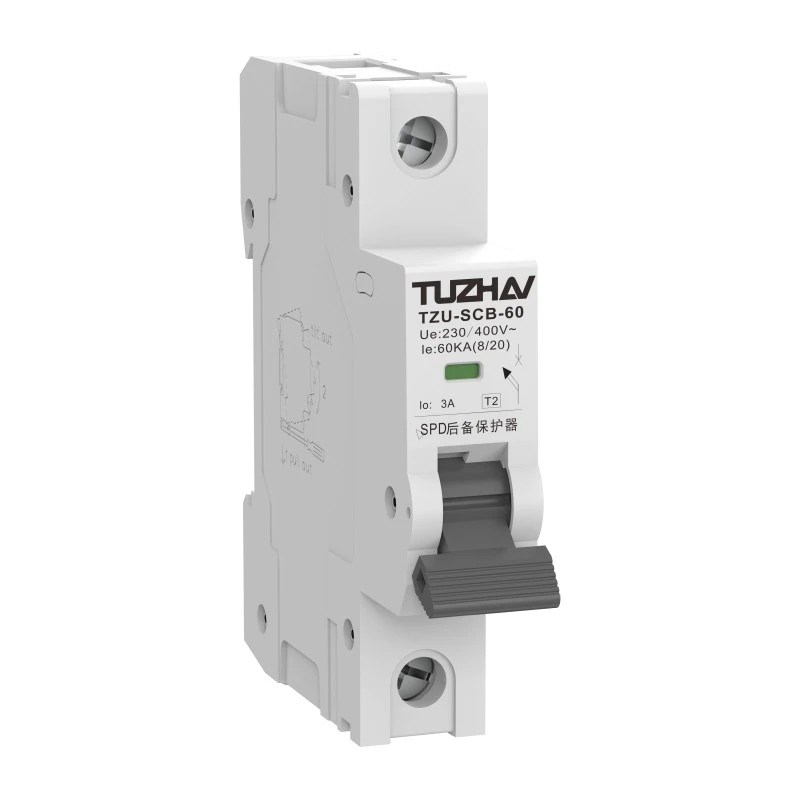
Correct pairing of Surge Protective Device and Circuit Breaker is critical for building‑installation reliability. Every SPD needs upstream short‑circuit protection — either a dedicated surge backup protector or a suitably‑rated breaker. If the SPD ages and fails into short‑circuit mode, the matched breaker must trip reliably to isolate the faulty unit.
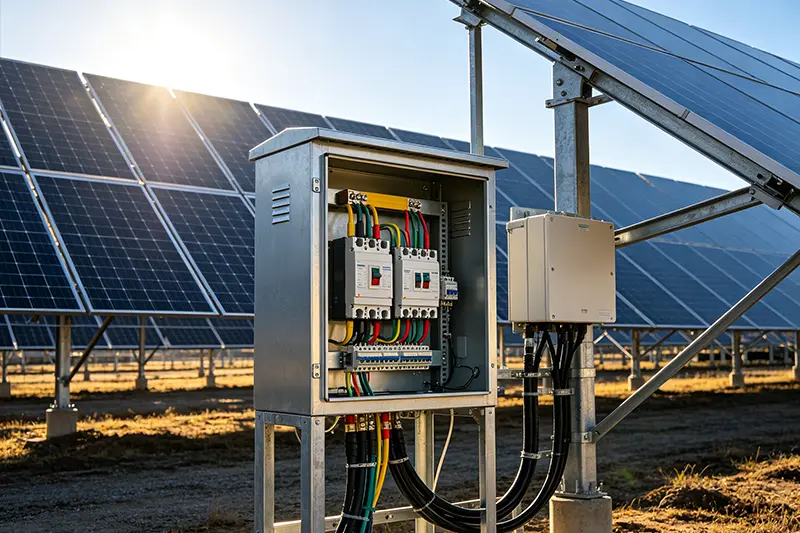
Always refer to official manufacturer coordination tables for Surge Protective Device and Circuit Breaker selection rather than relying only on experience‑based guesswork. For PV installations, a dedicated Solar DC Surge Protection Device should be paired with DC‑rated breakers.
Installation quality decides real‑world protection performance. SPD connection conductors should be as short and straight as possible; long, coiled wiring reduces actual surge‑suppression performance. Building earthing systems must meet local electrical‑code requirements to create low‑impedance discharge paths for surge current.
For architects, electrical consultants, contractors and property managers, combining a well‑specified Surge Protective Device and Circuit Breaker is a practical investment. It lowers equipment‑replacement costs, reduces unexpected system downtime and helps residential and commercial buildings fully comply with modern electrical‑safety standards.
Our engineers provide coordination tables, selection support and fast quotations for residential and commercial installations.