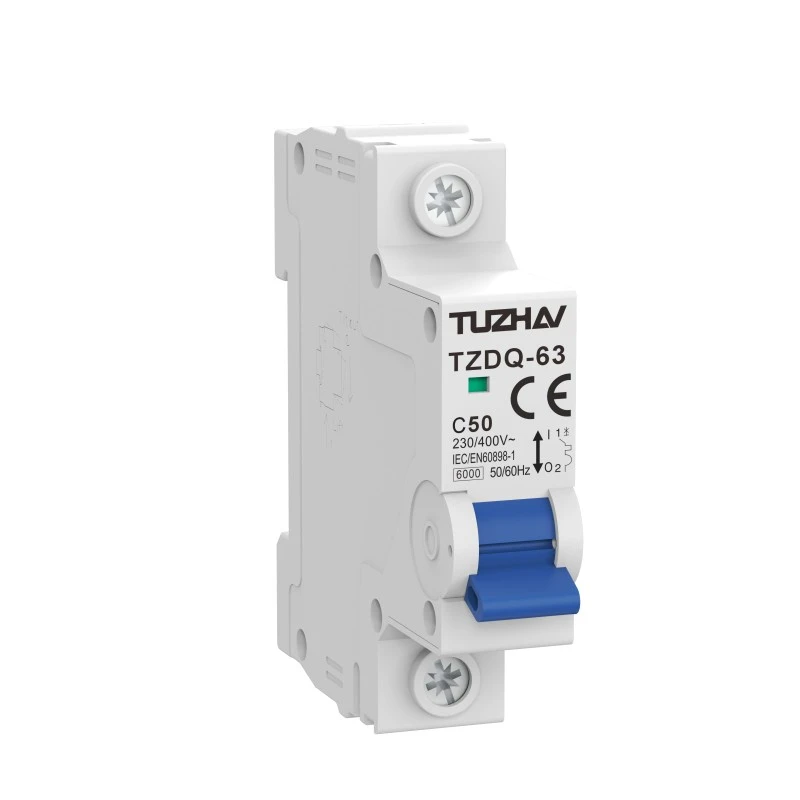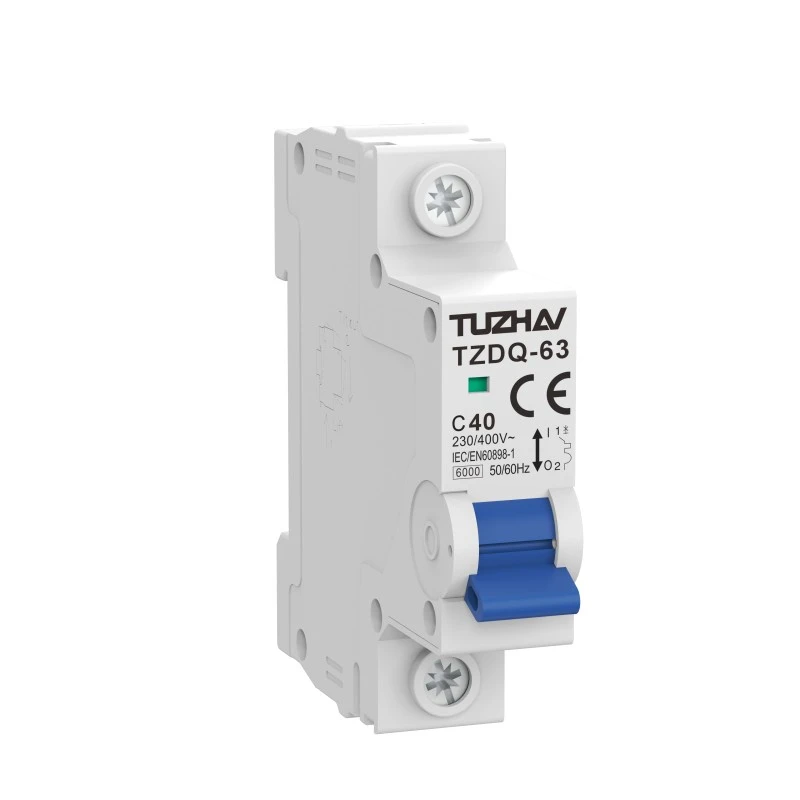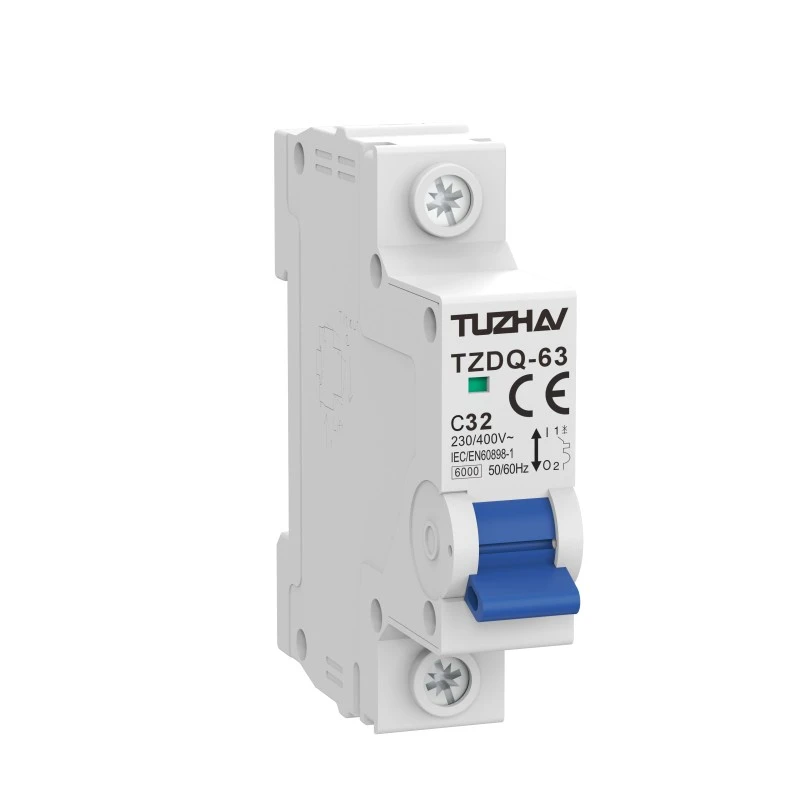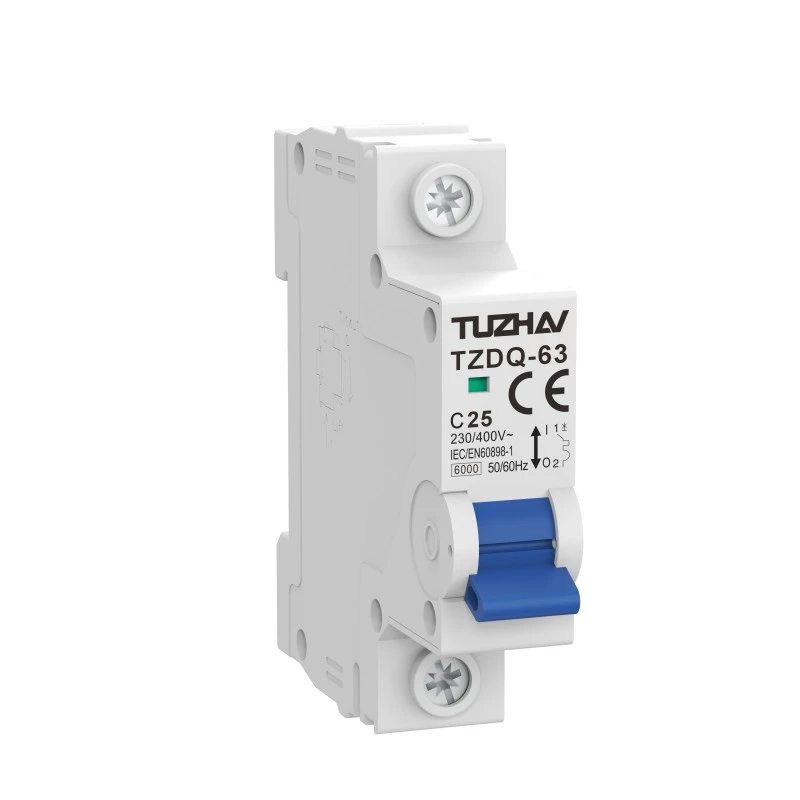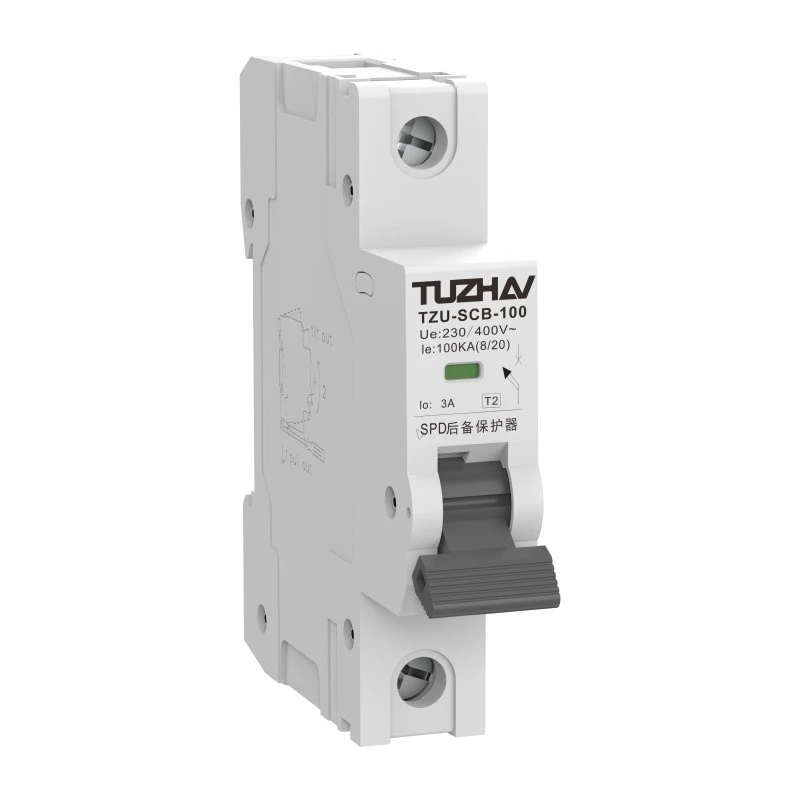
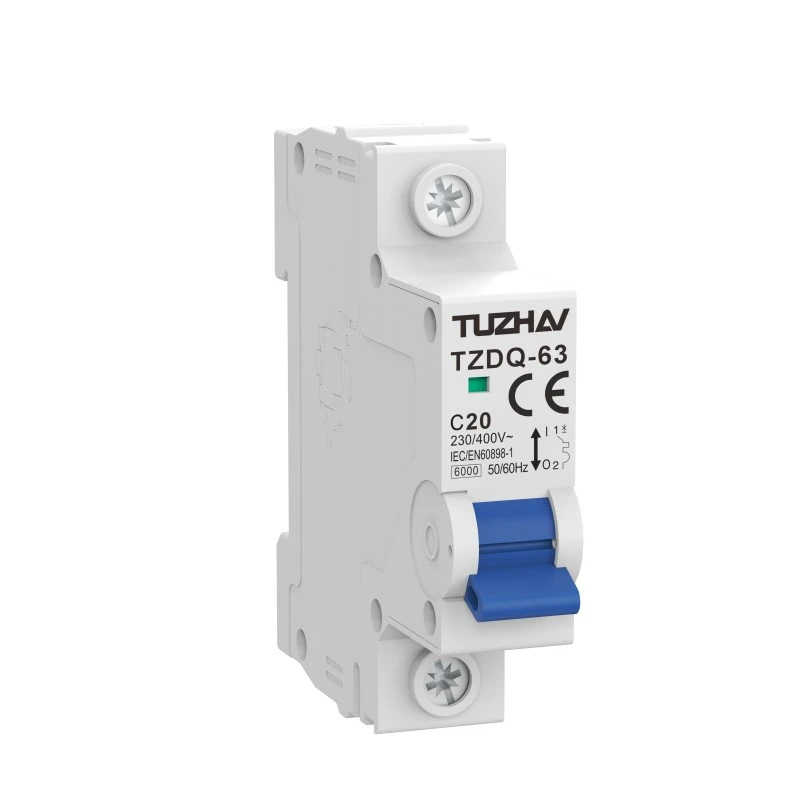
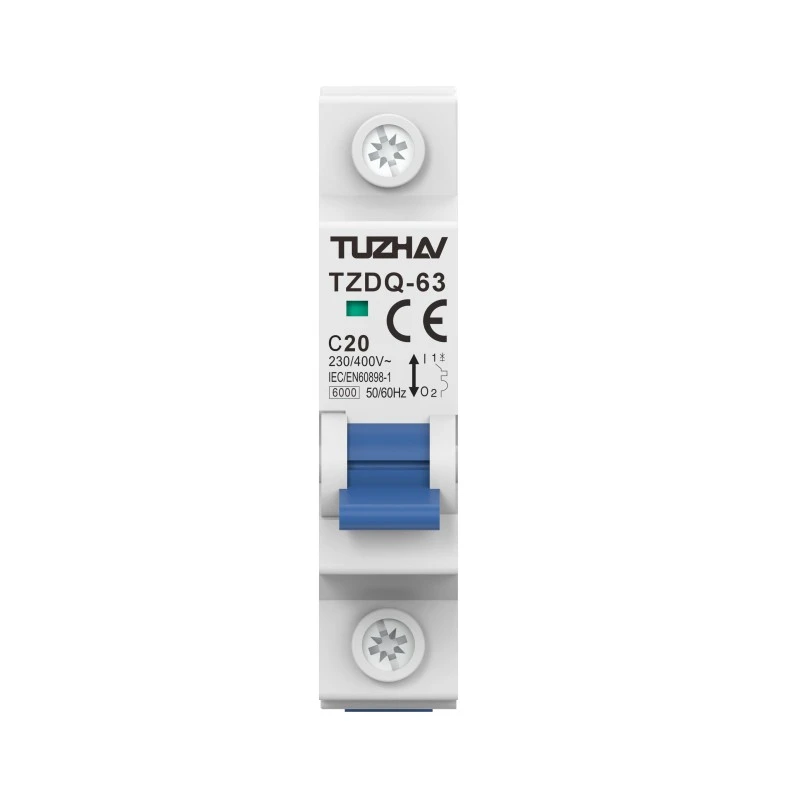
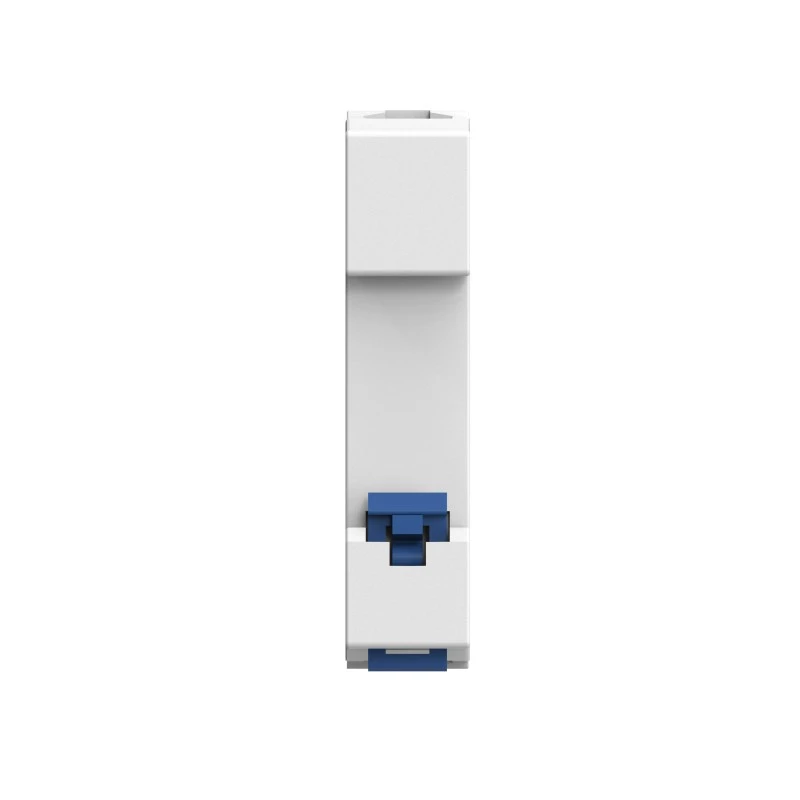
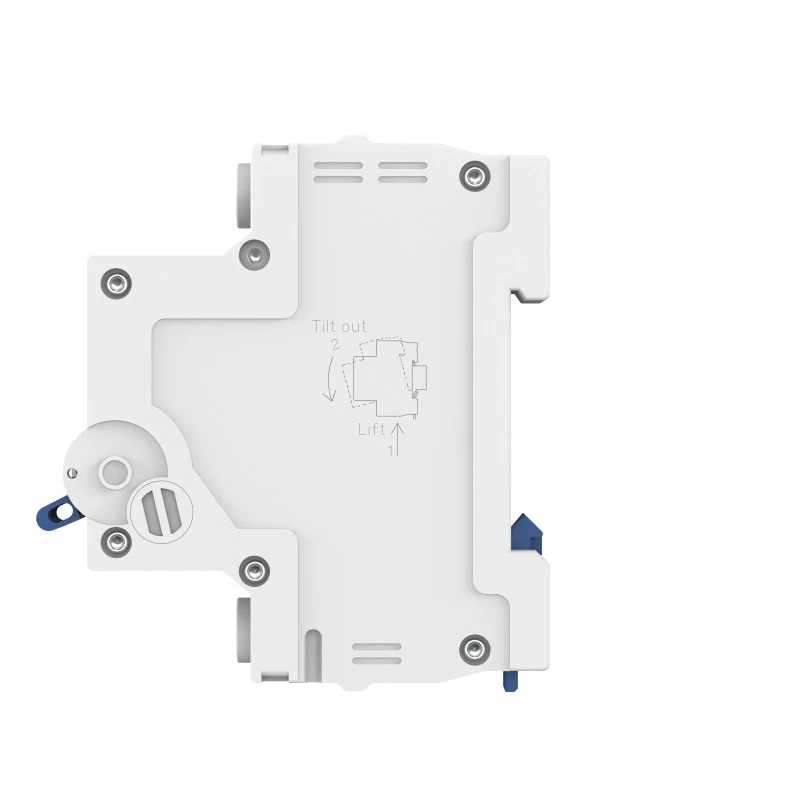
An air conditioner or an electric water heater is not an ordinary socket load. The compressor start, the continuous running current and the cable behind the wall all have to line up with the breaker — otherwise the circuit either trips on start-up or fails to clear a fault in time.
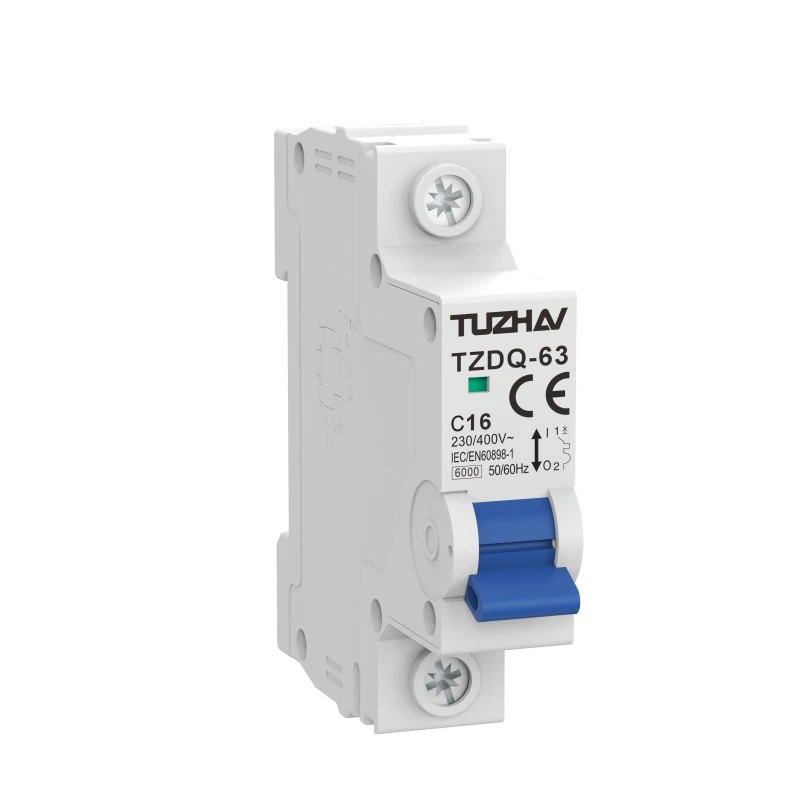
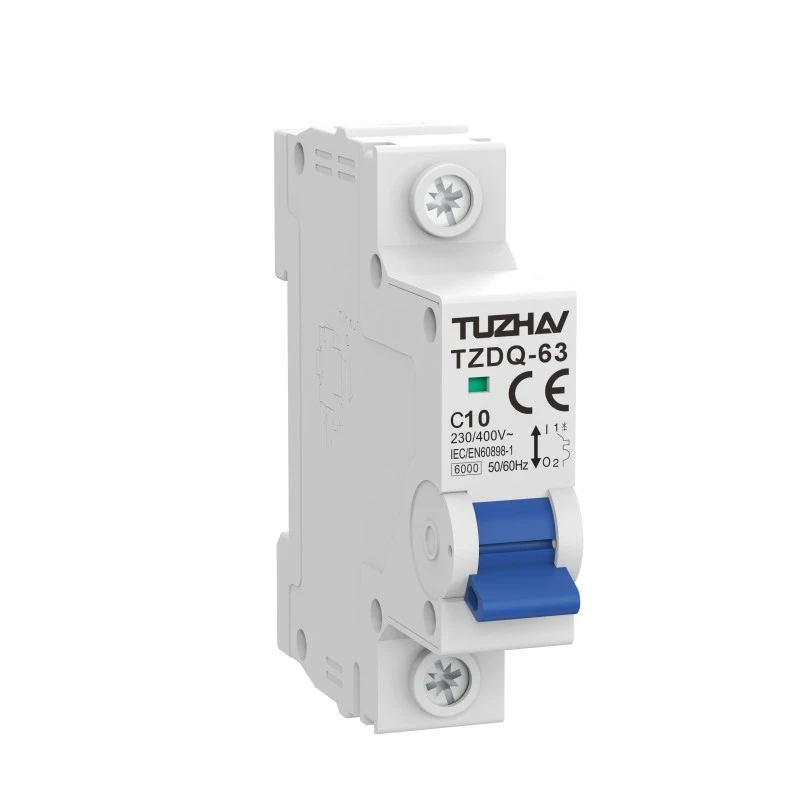
The 20A Miniature Circuit Breaker puts thermal overload protection and magnetic short-circuit protection into one 18mm module. On a sustained overload the bimetallic element bends and trips; on a high fault current the magnetic mechanism releases the contacts. C curve is the default, with B and D curves available when the load profile calls for a different instantaneous range.
Mounting is 35mm DIN rail in 1P, 1P+N, 2P, 3P and 4P, and the housing is flame-retardant PC. Breaking capacity comes in 6kA or 10kA, chosen against the prospective fault current at your panel.
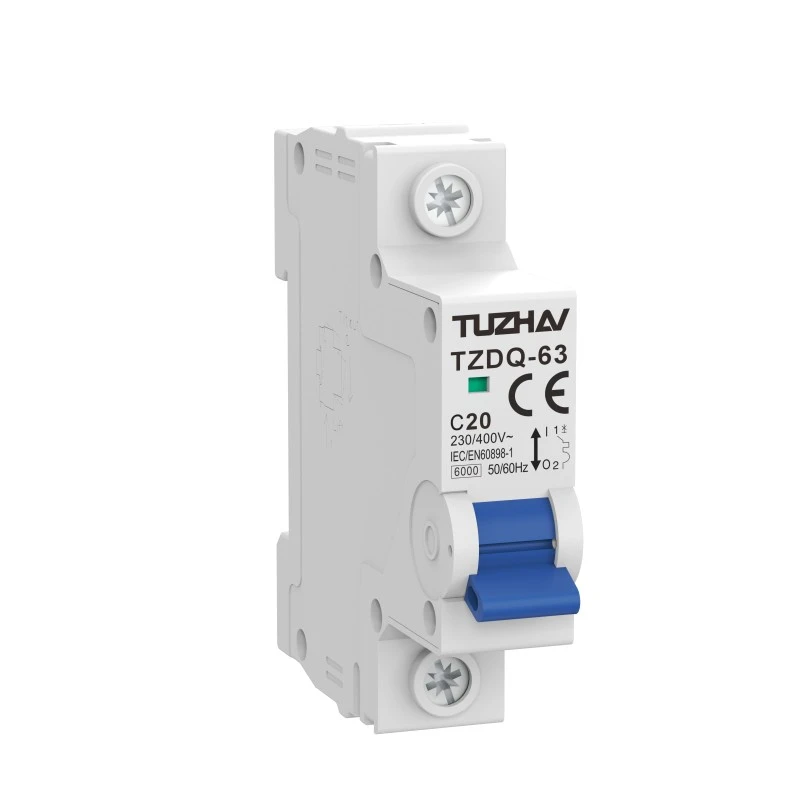
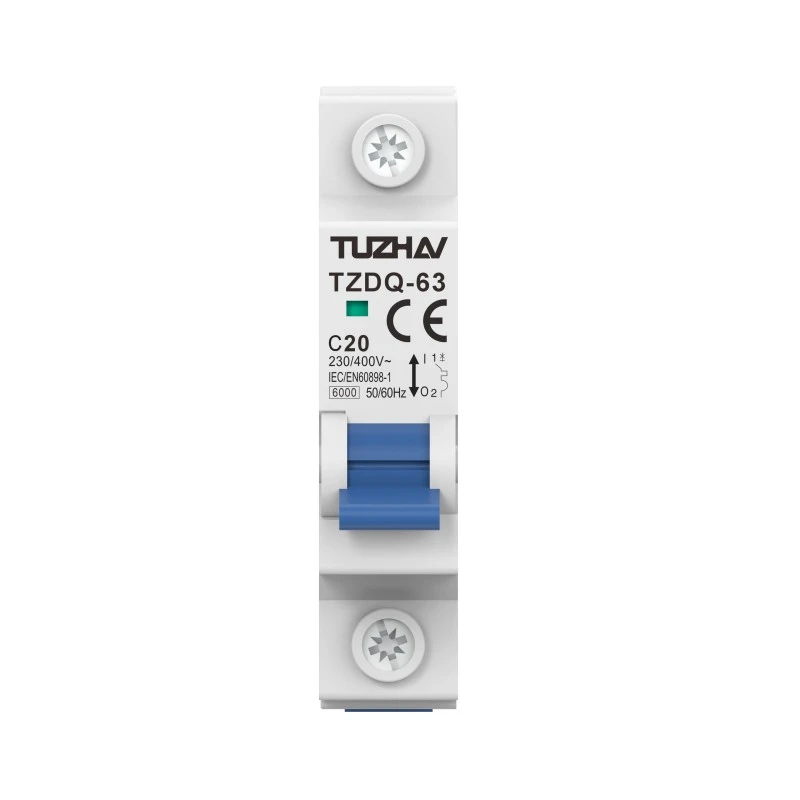
The right choice is not simply "the appliance is under 20A". Three things decide it: the appliance's start-up behaviour, the cable's corrected current-carrying capacity and the fault level at the panel. A unit that starts cleanly on one curve can trip repeatedly on another, and a breaker that never trips is not protection.
The 20A Miniature Circuit Breaker is offered in B, C and D curves precisely because those three loads behave differently. Match the curve to the appliance, then confirm the breaking capacity and the poles against the installation design.
For resistive loads with almost no start-up surge. A resistive water heater element is the typical case; sockets and lighting rarely need it.
The general-purpose choice. Handles moderate inrush, suits many split air conditioners and mixed appliance circuits, and keeps fault-disconnection times short.
For loads with a heavier start. Higher threshold, but the fault-loop conditions must still satisfy the disconnection times your design requires.
A C curve does not guarantee start-up tripping will never happen. Compressor behaviour differs between fixed-speed and inverter-driven air conditioners, and the circuit impedance decides how much fault current actually reaches the device. Check the appliance documentation before the curve is fixed, not after the panel is built.
Rated voltage, rated current, input power and the manufacturer's specified circuit protection. For air conditioners, separate running current from start-up behaviour; for water heaters, confirm whether it runs continuously at its stated load.
Cross-section alone proves nothing. Installation method, ambient temperature, grouping, insulation, conductor material, circuit length and voltage drop all change the permitted current. Local wiring rules may add more.
Fixed-speed compressors and inverter-driven units behave very differently. Get the start-up data from the appliance manufacturer before deciding between C and D.
Choose between 6kA and 10kA only after checking the prospective short-circuit current at the installation point. The figure describes fault interruption, not overload behaviour.
Some appliances must have their own circuit. Follow the manufacturer's instructions and local regulations rather than assuming a 20A circuit suits everything in the category.
| Product type | 20A Miniature Circuit Breaker |
| Rated current | 20A |
| Trip curve | Type C by default; Types B and D available as options |
| Rated voltage | AC 230V / 400V; DC version subject to confirmation |
| Breaking capacity | 6kA / 10kA options |
| Pole configurations | 1P, 1P+N, 2P, 3P, 4P |
| Mounting | 35mm DIN rail |
| Housing material | Flame-retardant PC, as specified |
| Handle indication | ON / OFF / intermediate trip position, subject to model |
| Ambient temperature | -25°C to +70°C, subject to product rating and derating requirements |
| Degree of protection | IP20, for installation in a suitable enclosure |
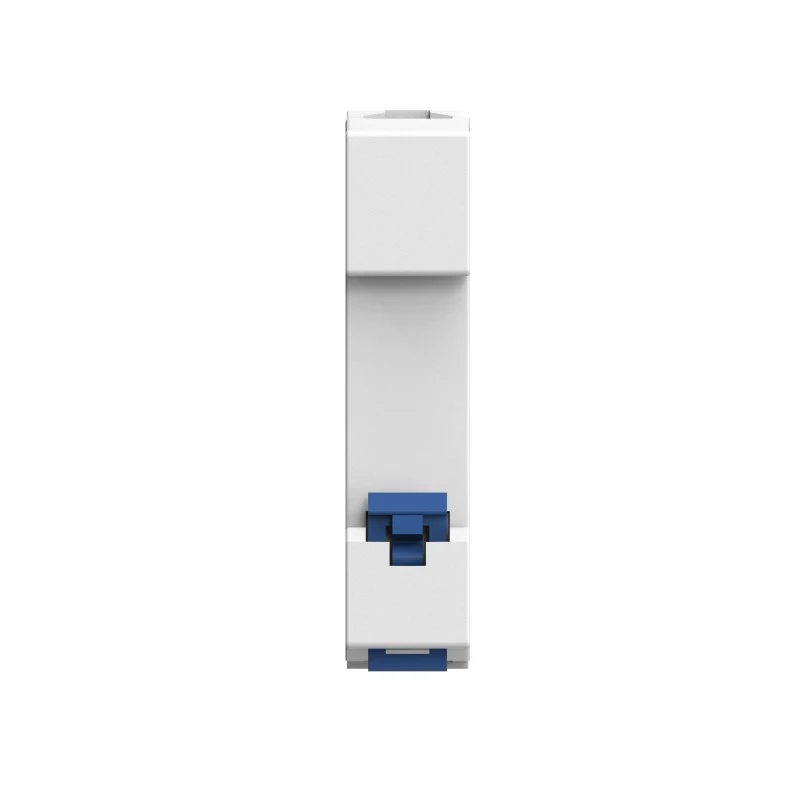
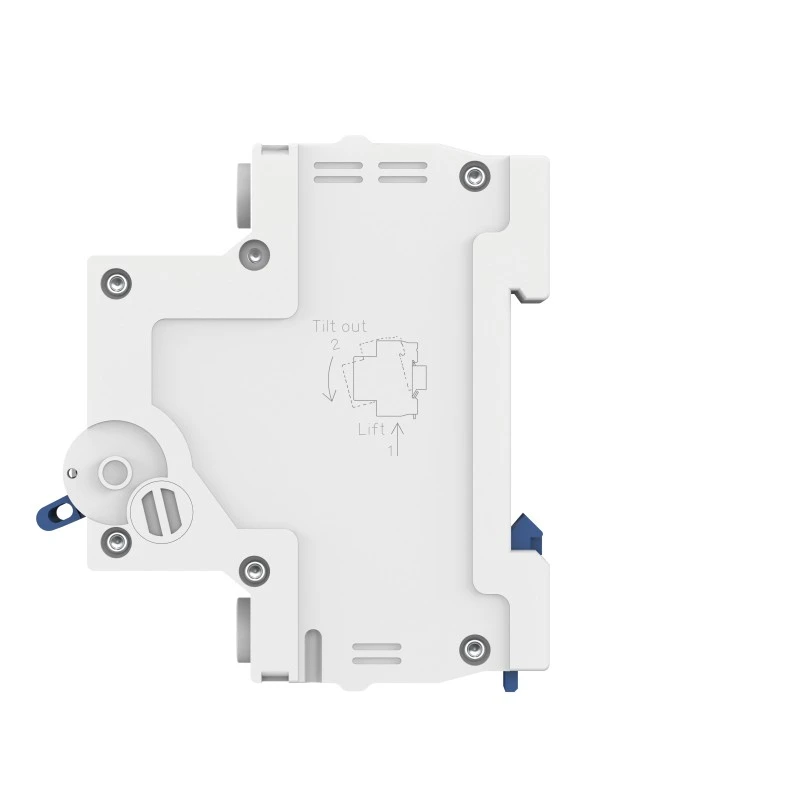
| Single-pole dimensions | 18mm W × 80mm H × 66mm D |
| Referenced standards | IEC 60898-1 and GB 10963.1; confirm applicable editions and certification |
The specifications reflect the supplied product information. Confirm the exact model, rated voltage, breaking capacity, operating temperature limits and applicable documentation before ordering.
Suitability of the 20A rating depends on the appliance specification, cable capacity, installation method and the protective coordination the design requires — not on the appliance category alone.
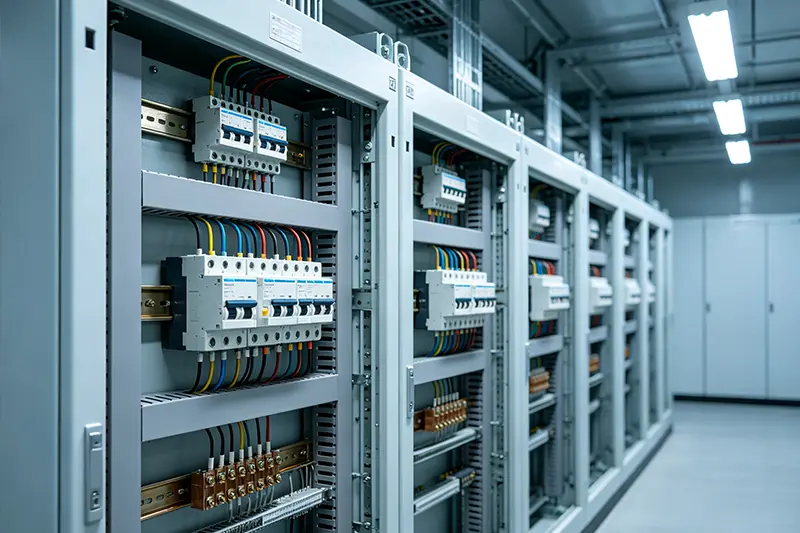
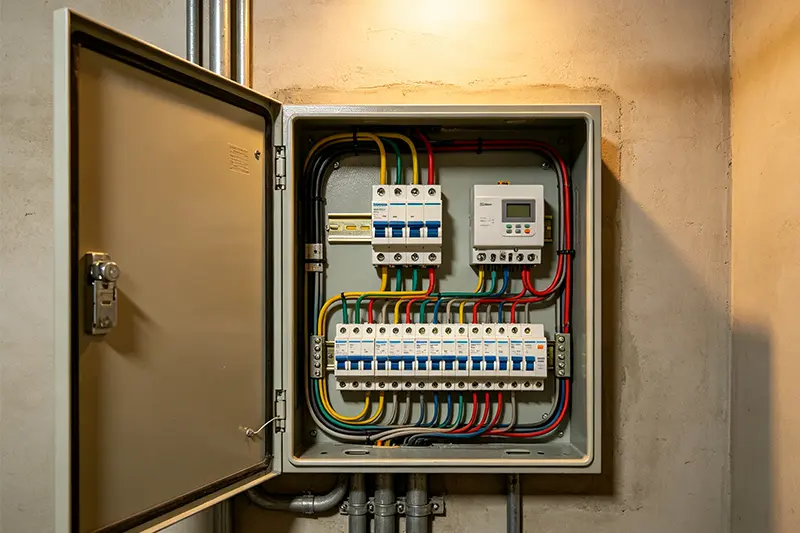
An MCB is one part of the board, not the whole of it. The three components below cover different fault types, and each one has to be selected against the same circuit design:
Protects the branch wiring against sustained overcurrent and high fault current. It does not detect residual current.
Where the circuit or local regulations require it, residual-current protection is added alongside the MCB. An MCB does not replace it.
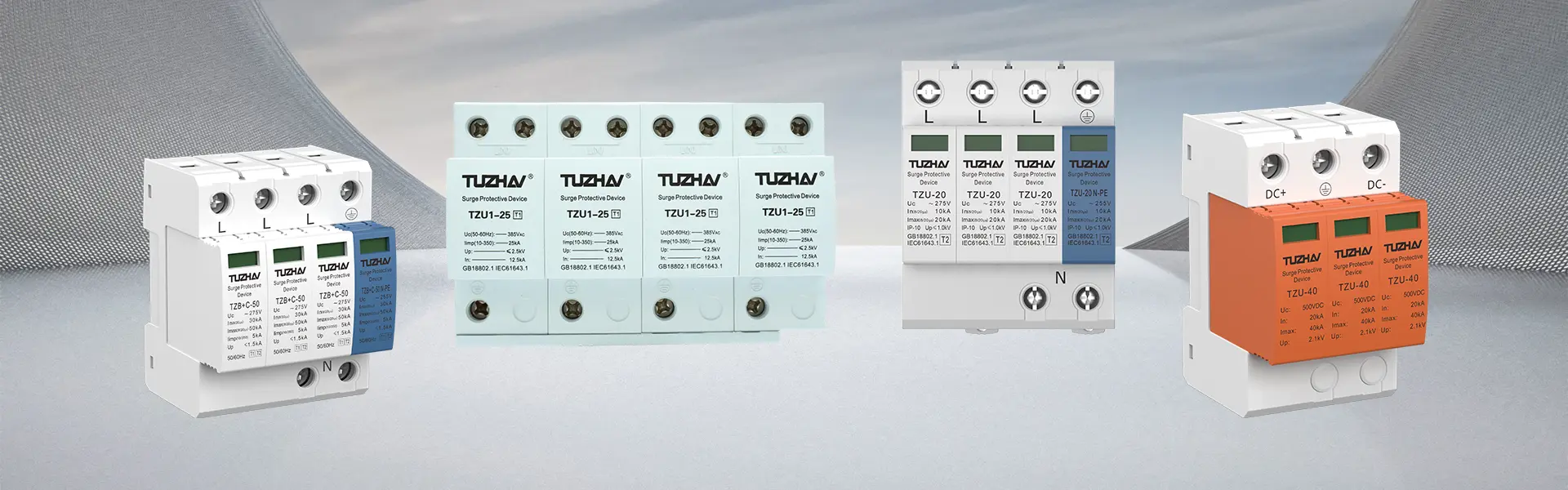
Limits surge voltage at the board. An SPD may need its own backup protector per the SPD manufacturer's instructions.
Panel builders can take the whole set from one place: MCBs, SPDs, SPD backup protectors and distribution boxes, all matched to the same board layout.
Quality control starts at incoming material inspection — conductive copper components, bimetallic elements and housing material are all checked on arrival. Finished units go through voltage-withstand, continuity and trip-function checks, and batch samples are run for sustained-load temperature rise and short-circuit performance. Where these records matter for project approval, request the test conditions, acceptance criteria and the reports for the exact model. A stated test category does not by itself prove a particular temperature rise or service life.
OEM marking and packaging are supported, so the cover, handle and carton can carry your brand and language set — send the artwork and tell us how you want the marking customized. Production runs in our China factory, and because we also build SPDs and distribution boxes, one supplier can cover a complete board rather than just one component.
To get an accurate quotation, send the supply voltage and system, appliance type and rated current, start-up information where available, pole configuration, preferred curve, required breaking capacity, cable specification, board dimensions and terminal requirements, applicable standards, and OEM marking and order quantity. Reviewing these before order confirmation keeps specification mismatches out of the shipment.
Confirm the datasheet, dimensional drawing, trip characteristics, certificates and test reports for the exact model before the order is placed. Any CE declaration or IEC-related documentation should match the configuration you are buying.
No. The required breaker depends on the air conditioner's rated current, the manufacturer's instructions, its start-up behaviour, the cable capacity and local regulations. Some models need a different rating or a different curve. Check the equipment nameplate and installation manual before selecting.
It cannot be confirmed without checking the installation. The allowable current of 2.5mm² copper depends on installation method, insulation type, ambient temperature, grouping and the wiring rules that apply. Confirm the cable's permitted current-carrying capacity against the protective device before specifying both together.
That depends on the heater's rated current and its manufacturer-specified circuit requirements. Some instantaneous water heaters draw well above what a 20A circuit can support and need a higher-rated dedicated circuit. Calculate the load from the appliance's electrical data and follow local regulations.
No. A C curve gives a conventional instantaneous magnetic range of 5–10 times rated current — 100–200A for a 20A device — but actual performance depends on the start-up profile, circuit impedance and the breaker's characteristics. Check the air conditioner manufacturer's data and the circuit design before selection.
The breaking capacity is the short-circuit current the device is rated to interrupt under specified conditions. The required version depends on the prospective short-circuit current at the installation point. Confirm the rating for the exact model, voltage and pole configuration.
First find out whether the trip came from start-up current, overload, a short circuit or another fault. Check the appliance instructions and the circuit design. Do not keep resetting the breaker without identifying the cause — have the circuit assessed by a qualified electrician if the trip repeats.
OEM marking and packaging can be arranged for the selected model. Confirm the artwork, packaging specification, order quantity, available documentation and lead time before placing the order.
We will confirm the 20A Miniature Circuit Breaker curve, pole configuration and breaking capacity for your circuit, and reply with samples, pricing and lead time.
Address
No.51, Changjiang Road, Wenzhou Bridge Industrial Zone, Beibaixiang Town, Yueqing City, Zhejiang Province, China
Tel