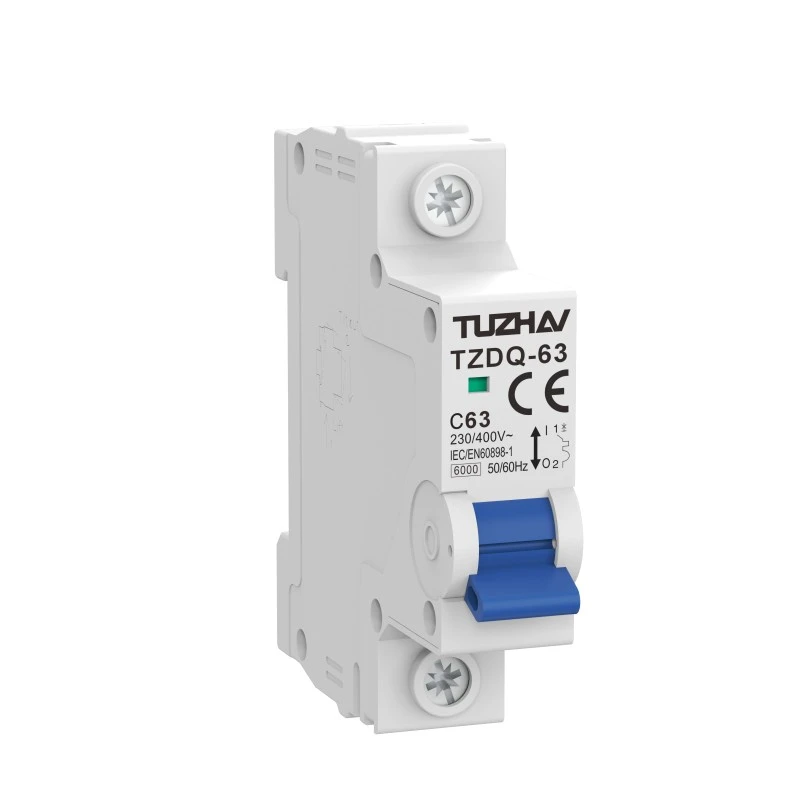
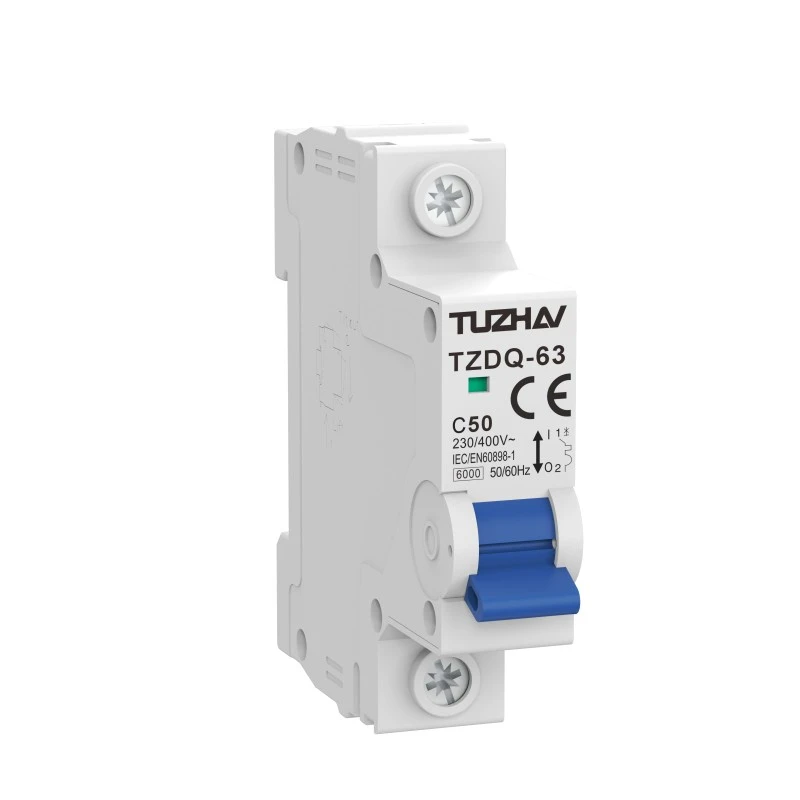
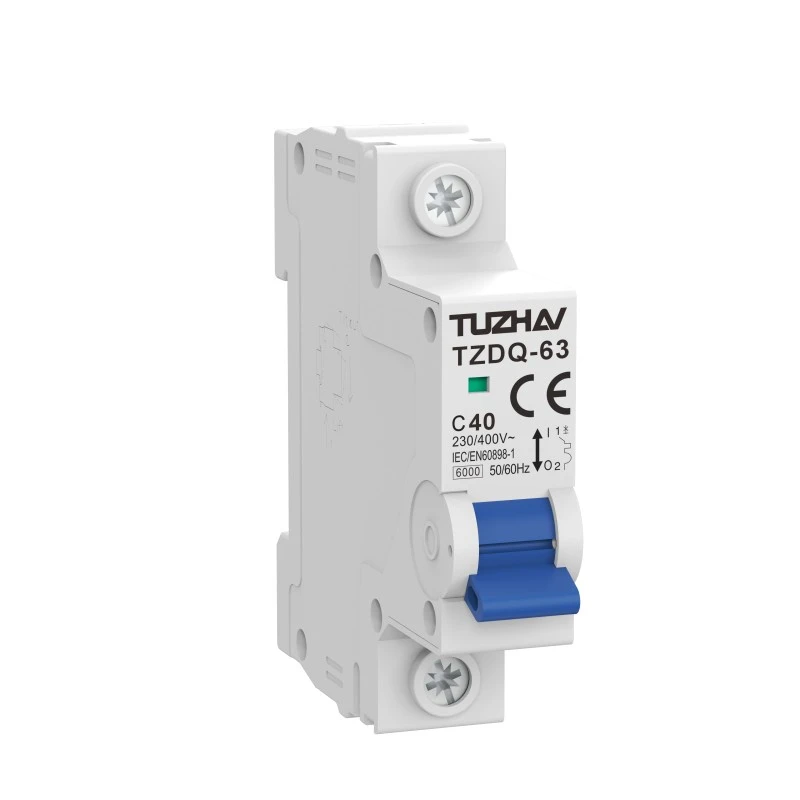
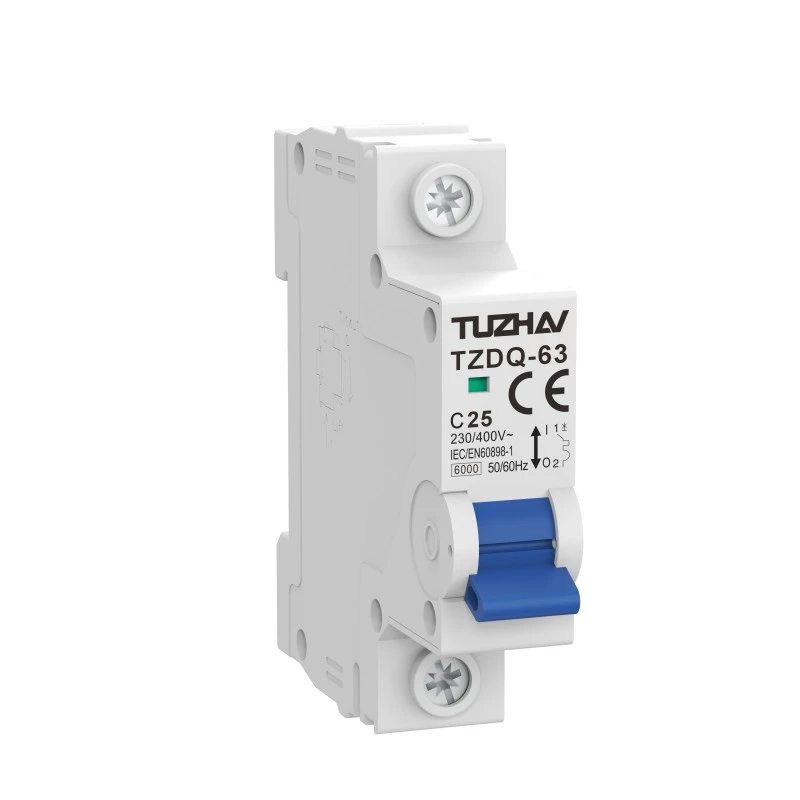
Rated Current (In)
The rated current determines the current level the device is designed for. Match it to the load current and conductor size of the protected circuit.
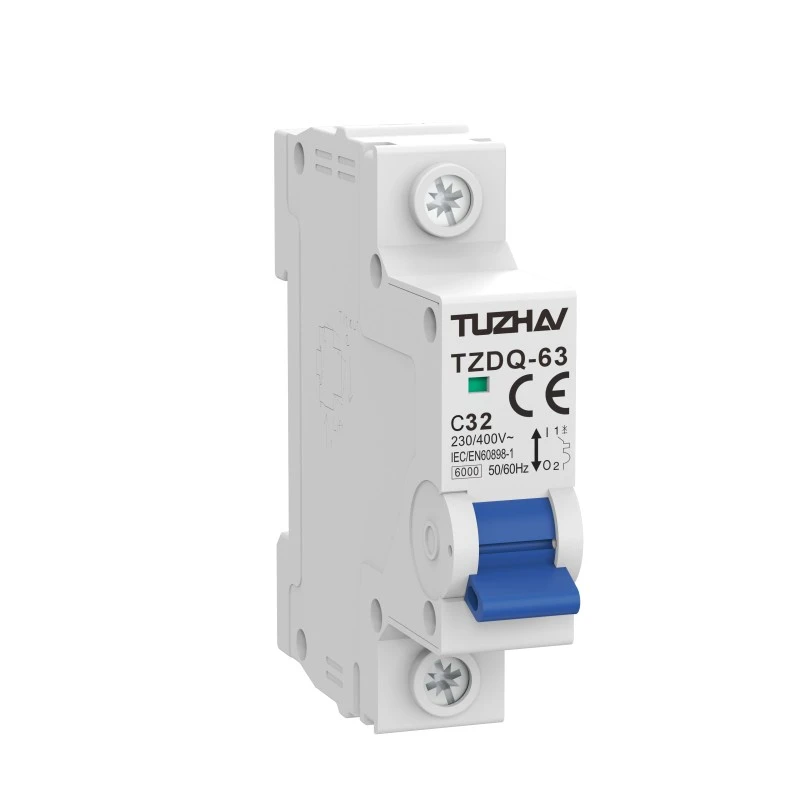
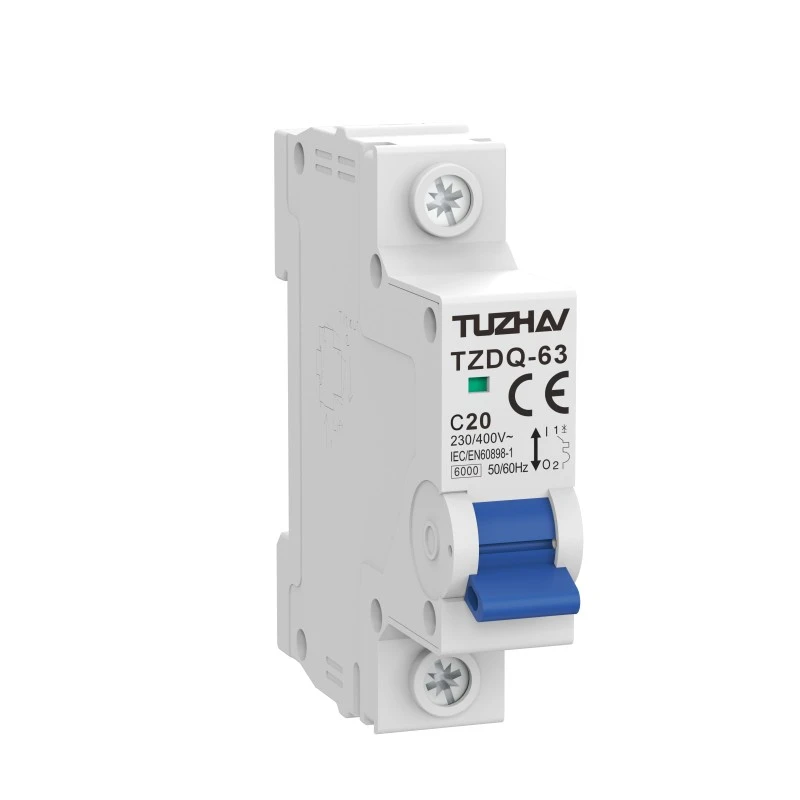
A MCB is a low-voltage electrical protection device designed to interrupt current when an overload or short circuit occurs. It is commonly used in residential, commercial and light-industrial distribution systems to protect individual circuits and help limit damage caused by excessive current.
Selecting a Miniature Circuit Breaker requires matching its electrical ratings and tripping characteristics to the circuit being protected. Rated current, rated voltage, number of poles, breaking capacity and trip curve are the key factors to check against your installation requirements.
Different MCB configurations serve different circuit requirements. These parameters should be verified together rather than selected independently.
The rated current determines the current level the device is designed for. Match it to the load current and conductor size of the protected circuit.
Choose 1P, 1P+N, 2P, 3P or 4P depending on whether the circuit is single-phase or three-phase and whether neutral isolation is required.
The tripping characteristic affects the response to overcurrent. B, C and D curves handle different inrush levels from lighting, sockets, motors and transformers.
Breaking capacity must be suitable for the prospective short-circuit current at the installation point of the distribution board.
Confirm the applicable product standard, terminal capacity and 35 mm DIN-rail compatibility with the existing distribution box.
The correct selection depends on the connected load, conductor specifications and the expected fault conditions. Use the comparison below as a starting point, then confirm the final specification against your circuit design.
Most lighting and socket circuits are protected by C-curve devices, while motors, compressors, transformers and EV chargers usually need D-curve characteristics to ride through high inrush currents.
Ask our engineers to confirm the curve →| Curve | Magnetic Trip Range | Typical Applications |
|---|---|---|
| B | 3–5 × In | Resistive loads, long cable runs, general lighting |
| C | 5–10 × In | Mixed loads, socket outlets, lighting, small motors |
| D | 10–20 × In | Motors, transformers, compressors, EV chargers |
Ranges are indicative. Final selection must follow the applicable standard and circuit calculation.
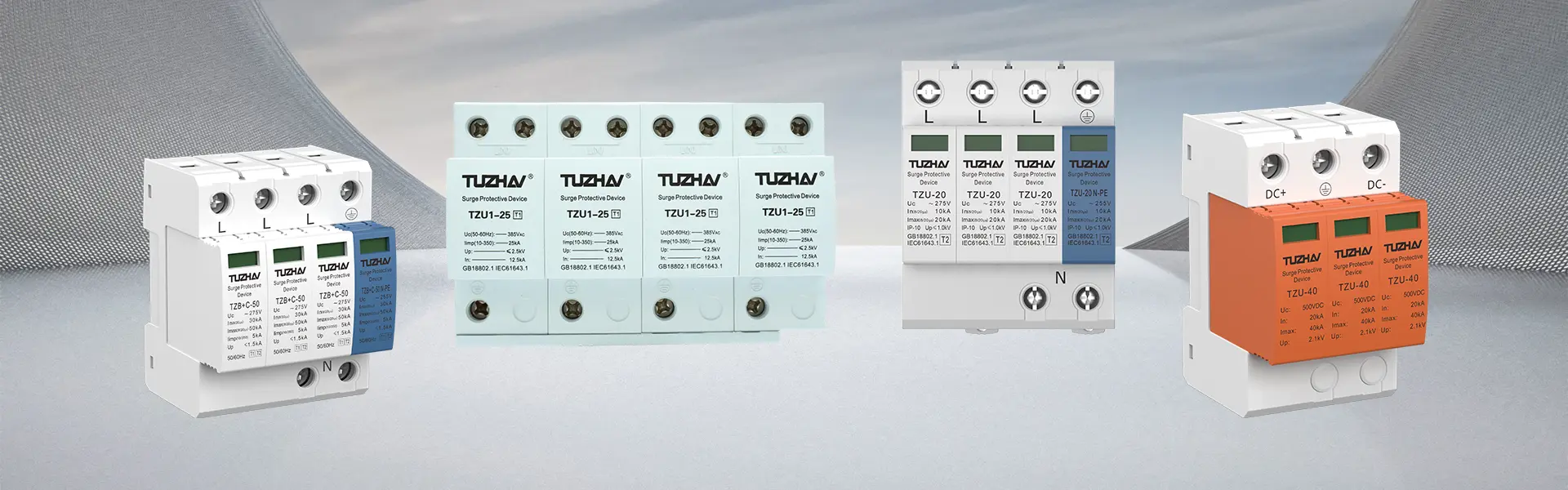
An MCB protects circuits against overload and short circuit, but it is not designed to limit transient overvoltages. For complete electrical system safety, miniature circuit breakers are combined with surge protection devices (SPDs) inside the same distribution board.
For replacement projects or new distribution assemblies, compatibility with the existing electrical system and installation requirements should be checked before ordering — including busbar layout, pole width and spare ways.
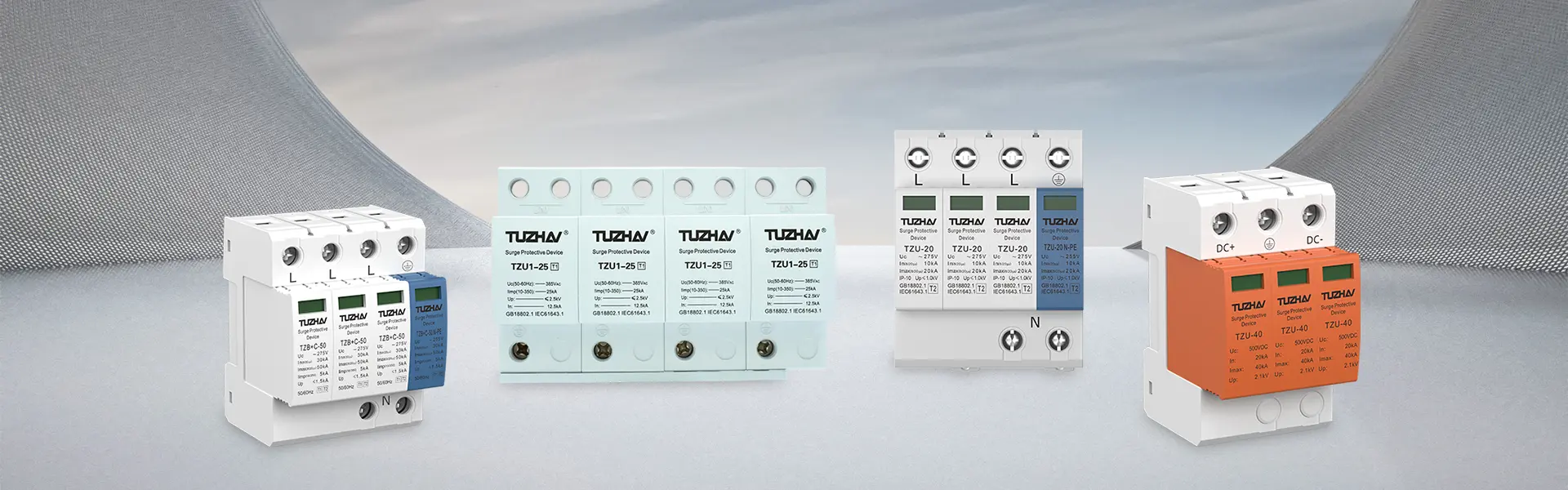
TU-SHAN Electric supplies low-voltage electrical protection products, including miniature circuit breakers and surge protection devices. Send us your circuit requirements and desired specifications to help identify a suitable model.
Match the rated current to the design current of the circuit and to the current-carrying capacity of the conductor. The rated current must be higher than the normal load current but not so high that the cable is left unprotected. For dedicated loads such as air conditioners or EV chargers, use the equipment rating as the starting point and verify with the cable specification.
The curve defines the magnetic tripping range. B curve trips at roughly 3–5 times rated current and suits resistive loads and long cables. C curve trips at 5–10 times rated current and is the common choice for mixed lighting and socket circuits. D curve trips at 10–20 times rated current and is used for high-inrush loads such as motors, transformers and compressors.
Breaking capacity must be equal to or greater than the prospective short-circuit current at the point of installation. This value comes from the system study or from the upstream protective device rating. Selecting a device with insufficient breaking capacity compromises safety, while an oversized rating may be unnecessary cost.
Use 1P or 1P+N for single-phase final circuits, 2P where both live conductors must be switched, and 3P or 4P for three-phase circuits — with 4P used where neutral isolation is required. The choice also affects the number of ways used in the distribution box.
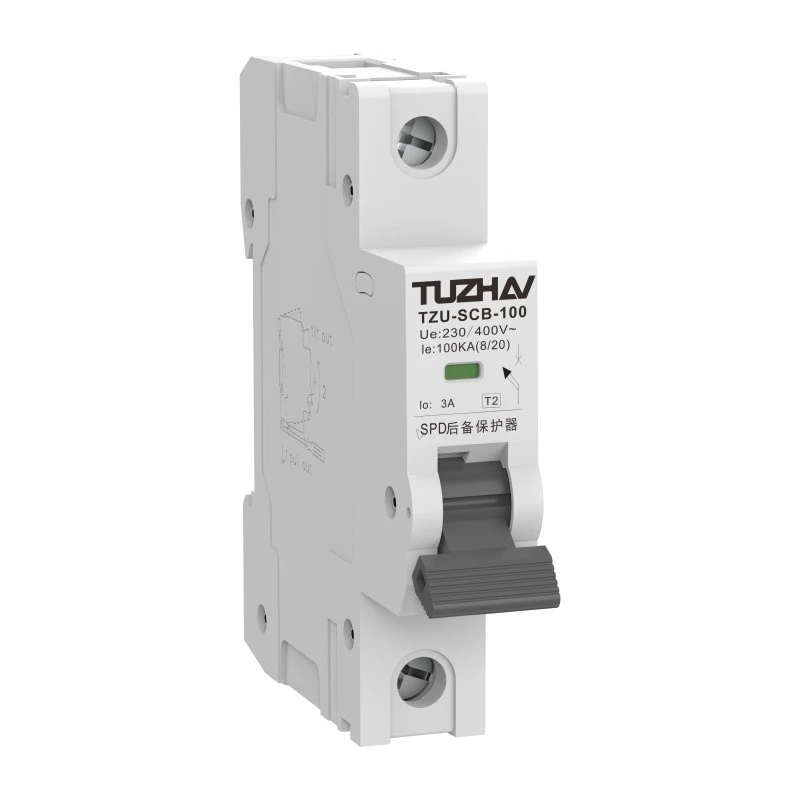
No. An MCB responds to overload and short-circuit current, not to transient overvoltage. Surge protection is provided by a separate surge protection device installed in the same distribution board, often coordinated with an SPD backup protector.
Yes. TU-SHAN Electric supplies miniature circuit breakers in multiple current ratings, pole configurations and trip curves. For replacement projects, share the existing device specification, panel photos and required quantity — our team will confirm compatibility and availability. Send your inquiry to start the selection process.
Still unsure which miniature circuit breaker fits your panel?
Get a Specification Recommendation