English
News

Why Surge Protective Device and Circuit Breaker Work Together for Complete Electrical System Safety

2026-09-08 0 Leave me a message

Modern electrical infrastructures face dual threats: sustained over‑current faults and micro‑second transient voltage surges. Many installers and facility managers misunderstand that a single protective component can cover all electrical risks. In reality, a well‑designed power system must combine a reliable Surge Protective Device (SPD) and a qualified Circuit Breaker to deliver layered protection for residential, commercial and industrial sites.
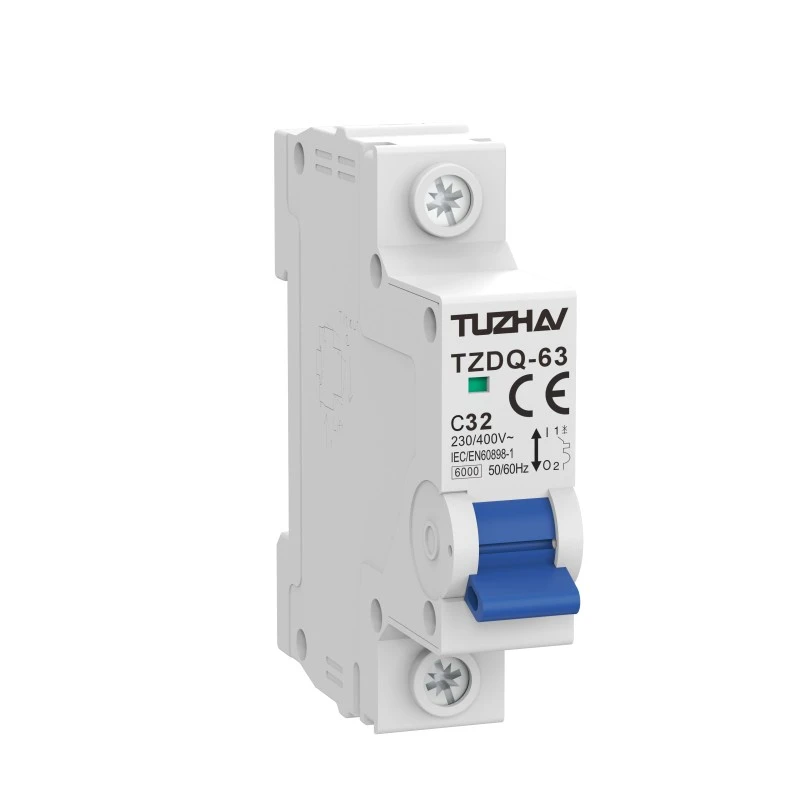
Circuit Breaker

Circuit Breaker

Millisecond trip

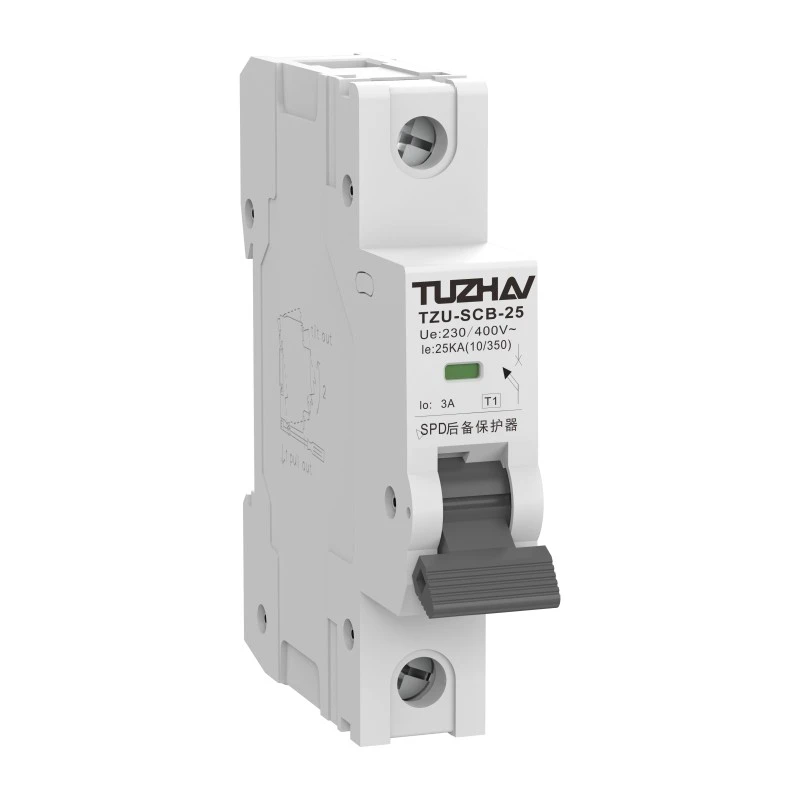
Reacts to overload and short‑circuit conditions caused by wiring faults, equipment failure or human error. Thermal‑magnetic mechanisms trip to cut power supply, preventing cable overheating and electrical fire risks.

Over‑current protection
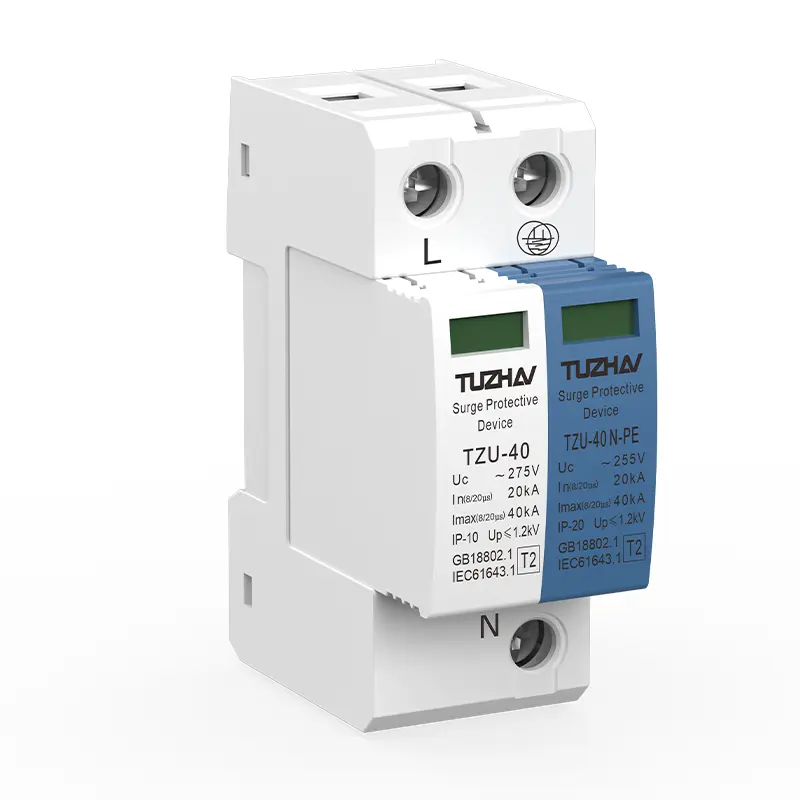
VS
Surge Protective Device

Surge Protective Device

< 25 ns response

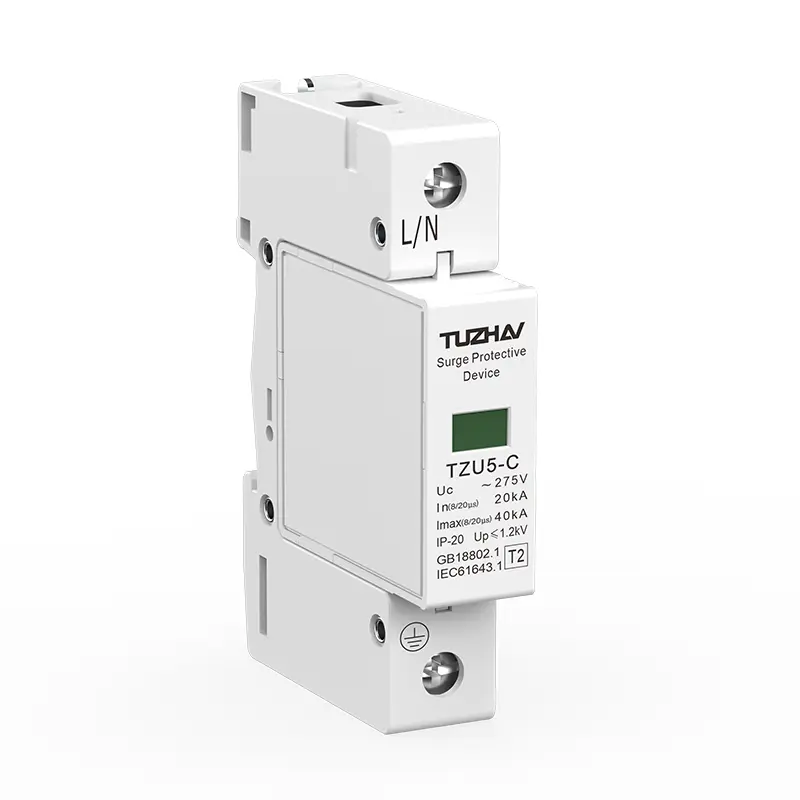
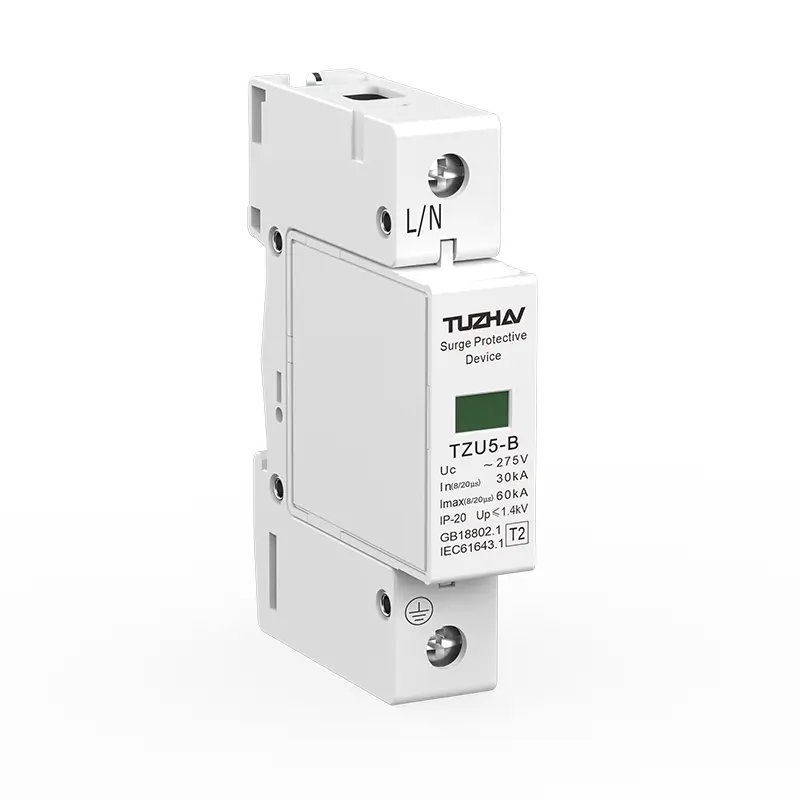
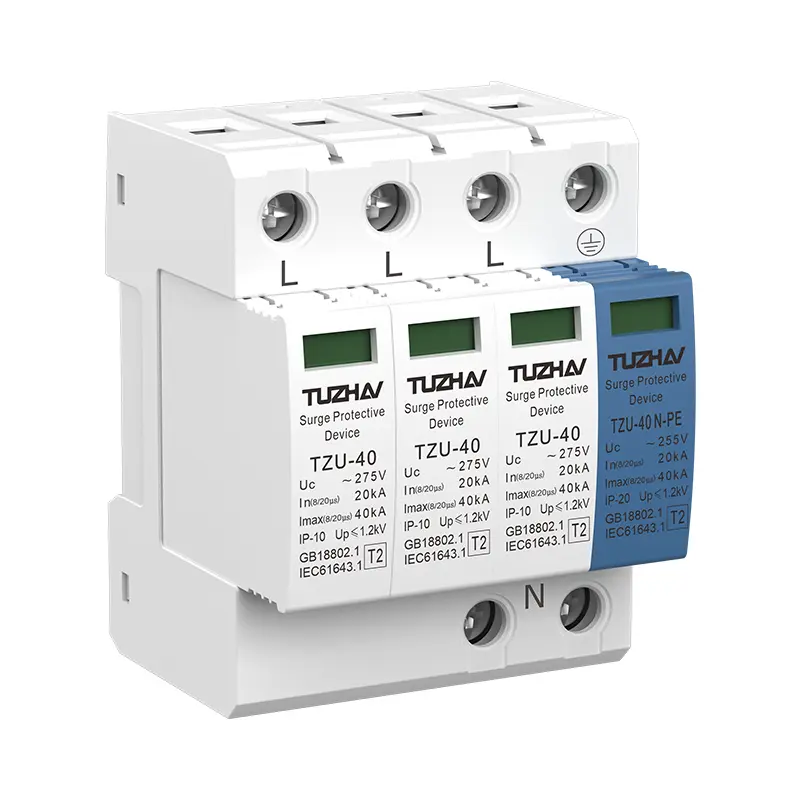
Uses metal‑oxide varistors or gas discharge tubes to clamp dangerous transient over‑voltage and divert surge energy safely toward grounding — thousands of times faster than standard circuit breakers.

Transient over‑voltage defence

Response Speed Compared

Transient surges last only nanoseconds — far too brief to trigger mechanical breaker trips, yet powerful enough to permanently destroy sensitive electronics, PLC controllers, inverters and server hardware.

Surge Protective Device
< 25 ns
Circuit Breaker
Milliseconds

An SPD responds thousands of times faster, filling the protection gap that breakers physically cannot cover.

Three‑Layer SPD Architecture

A properly selected Surge Protective Device fills the protection gap. Deploying multiple stages creates defence in depth from the building intake down to the endpoint.

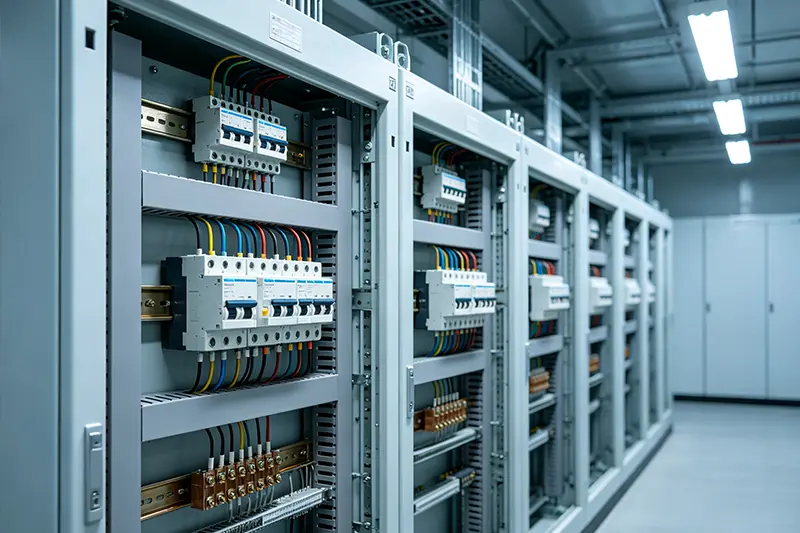
Type 1
Main incoming panel Handles heavy lightning surges at the building service entrance, diverting high‑energy impulses before they reach internal wiring.
Type 2
Secondary distribution boards Clamps residual over‑voltage at floor‑level or sub‑panel positions, protecting branch circuits and connected loads.
Type 3
End‑point precision devices Protects sensitive terminals such as servers, network switches, PLCs and audio‑visual hardware located close to the load.

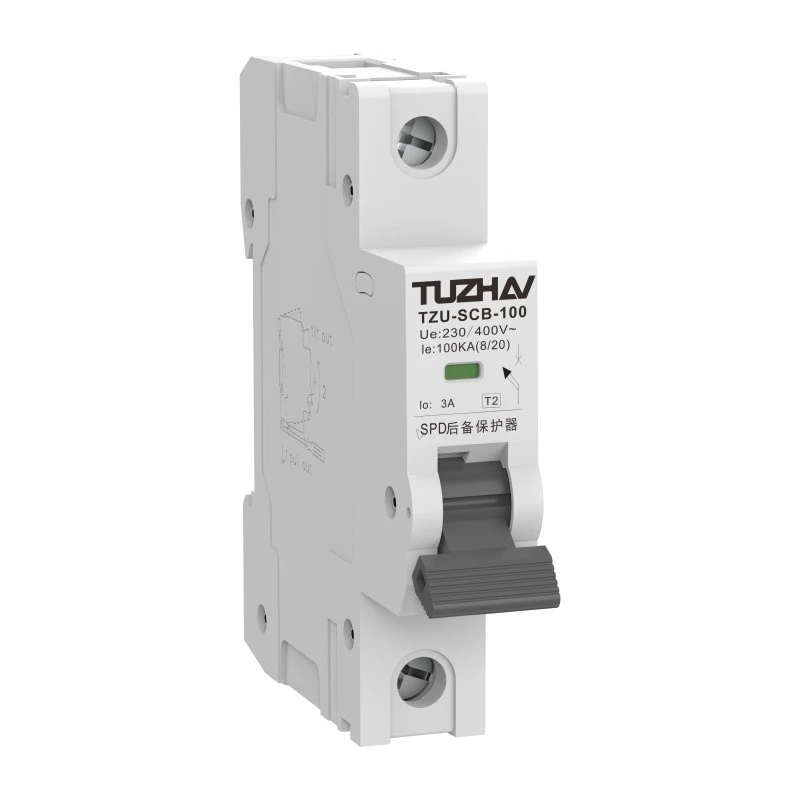
The Surge Protective Device itself has limitations: after repeated surge absorption, internal components degrade. Without proper backup isolation, a failed SPD may create short‑circuit hazards — requiring an upstream breaker or dedicated SCB backup protection to isolate the faulty unit from live circuits.

“ Circuit breakers replace surge protection.
Fact

Neither the Surge Protective Device nor the Circuit Breaker can substitute each other. Circuit breakers fight sustained over‑current and short‑circuit fire risks; Surge Protective Devices defend against lightning‑induced and switching voltage spikes. Only when deployed as a coordinated pair can they maximise equipment service life.

Project Scenarios

Proper coordination between SPD and breaker is critical for real‑world performance.

Residential

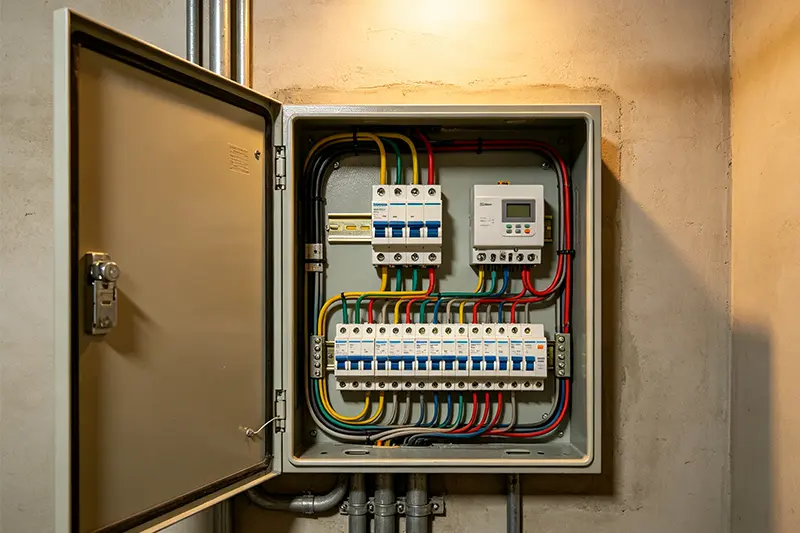
Install a Type 2 SPD alongside main miniature circuit breakers inside consumer units.

Industrial Workshop

Deploy a Type 1+2 combined SPD matched with high‑breaking‑capacity circuit breakers on DIN rails.

Data Center

Adopt multi‑stage protection: main circuit breakers at UPS input, level‑2 SPD for server‑room power distribution, and terminal SPD near network hardware.

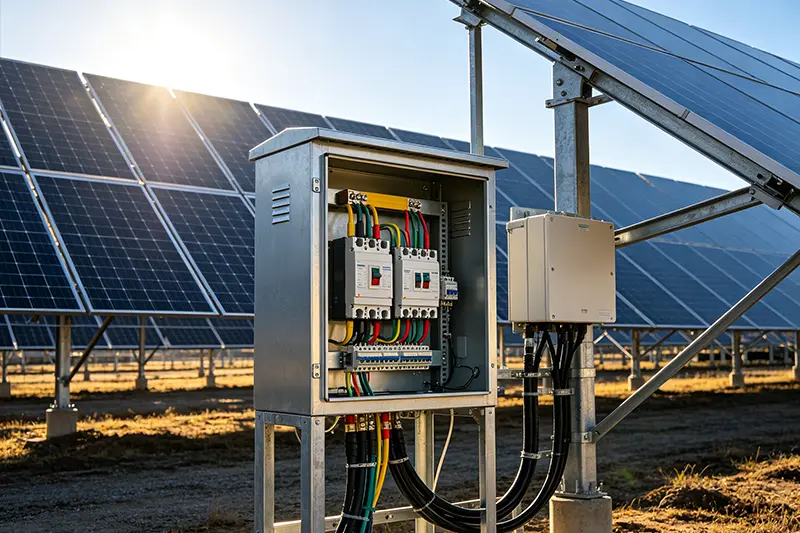
Short, straight SPD leads Installation rules demand minimal wiring impedance for maximum surge clamping performance.
Compliant earthing system Paired with a low‑impedance protective earth to dissipate surge energy safely.
Coordinated Surge Protective Device + Circuit Breaker deployment helps meet international IEC 61643‑11 safety standards.

Frequently Asked Questions

Common questions about combining Surge Protective Devices and Circuit Breakers.

01Can a circuit breaker protect against lightning surges?
No. A circuit breaker only responds to sustained over‑current. Lightning and switching transients last nanoseconds — far too brief to trip mechanical breakers — yet powerful enough to destroy electronics. A dedicated Surge Protective Device is required.
02Why does an SPD need upstream backup protection?
After repeated surge absorption, SPD internal components degrade and can fail into short‑circuit mode. An upstream breaker or dedicated SCB backup protector must reliably isolate the faulty unit to prevent continuous fault current and cabinet fire hazards.
03What is the difference between Type 1, Type 2 and Type 3 SPD?
Type 1 handles heavy lightning surges at main incoming panels; Type 2 fits secondary distribution boards; Type 3 protects end‑point precision devices. For combined requirements, a Type 1+2 SPD covers both main and sub‑panel positions.
04How should SPD connecting wires be installed?
Keep SPD connecting wires as short and straight as possible to minimise impedance. Long or coiled wiring raises let‑through voltage and reduces actual surge‑clamping performance. Pair them with a compliant low‑impedance earthing system.
05Which combination suits my project?
Residential: Type 2 SPD plus miniature circuit breakers. Industrial: Type 1+2 SPD plus high‑breaking‑capacity breakers. Data centers: multi‑stage SPD with main breakers at UPS input and terminal SPD near network hardware.
06Do standards require both devices?
Coordinated SPD + breaker deployment helps meet IEC 61643‑11 safety standards. As more IoT and smart electronic hardware enters building and factory environments, specifying both Surge Protective Device and Circuit Breaker becomes a basic requirement for modern electrical safety compliance.
Stop guessing. Start coordinating.

Build Layered Protection Into Your Next Project

Get matched Surge Protective Device and Circuit Breaker recommendations, coordination tables and fast quotations for residential, commercial and industrial installations.

Related News
Leave me a message
X
We use cookies to offer you a better browsing experience, analyze site traffic and personalize content. By using this site, you agree to our use of cookies. Privacy Policy
RejectAccept