English
News

Surge Protective Device and Circuit Breaker: Core Protection Components for Fast‑Growing PV Solar Installations

2026-09-08 0 Leave me a message
Solar PV Protection Guide

Surge Protective Device & Circuit Breaker: Core Safety Hardware for Solar PV

Global photovoltaic capacity keeps expanding, and solar-site electrical safety draws stricter attention from installers, asset owners and regulatory bodies. Solar PV systems operate in exposed outdoor environments, highly vulnerable to lightning-induced transient surges as well as DC short-circuit faults.

Deploying correctly-rated Surge Protective Device and Circuit Breaker is non-negotiable to safeguard solar panels, DC combiner boxes, inverters and battery energy-storage equipment across rooftop commercial and utility-scale solar farms.
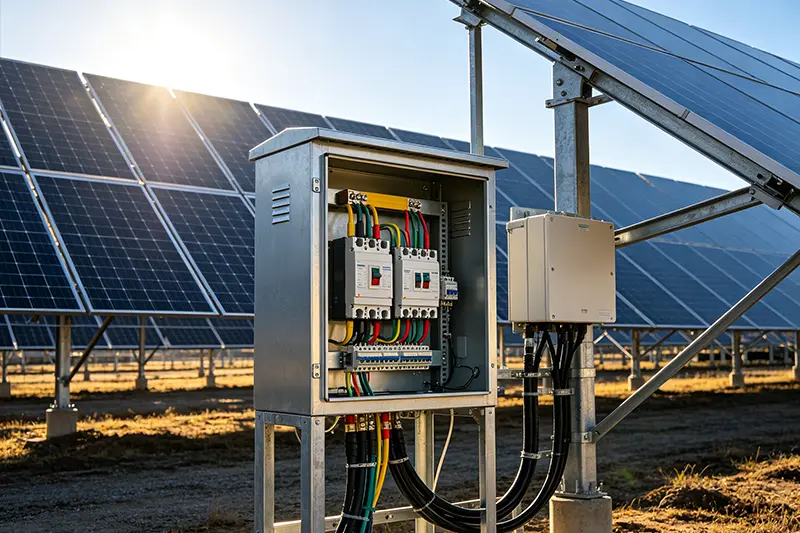
Solar PV protection with Surge Protective Device and Circuit Breaker

Two Circuits, Two Protection Layers

Solar power systems contain both DC and AC sections, each with distinct protection requirements.

DC Side

Solar Panels → Inverter

DC-specific Circuit Breaker provides overload and short-circuit isolation. Standard AC breakers cannot be used for DC solar circuits — DC arc-extinguishing demands special contact structures.
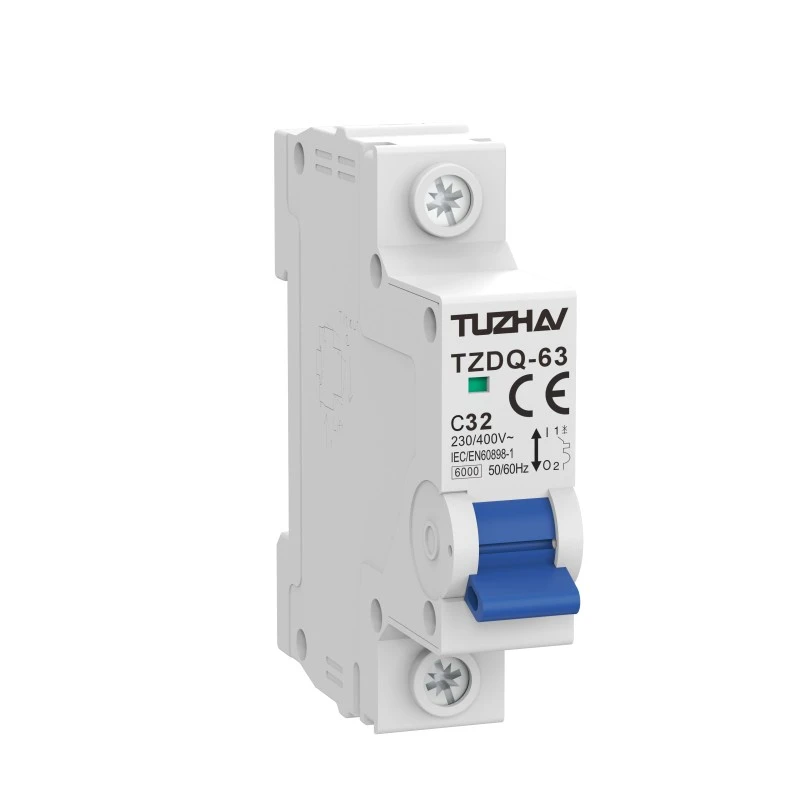
DC circuit breaker for solar PV
  • Rated 1000 V or 1500 V
  • Sufficient short-circuit breaking capacity
  • Stops arc-flash risks in combiner cabinets
Surge Layer

Along DC Wiring & AC Output

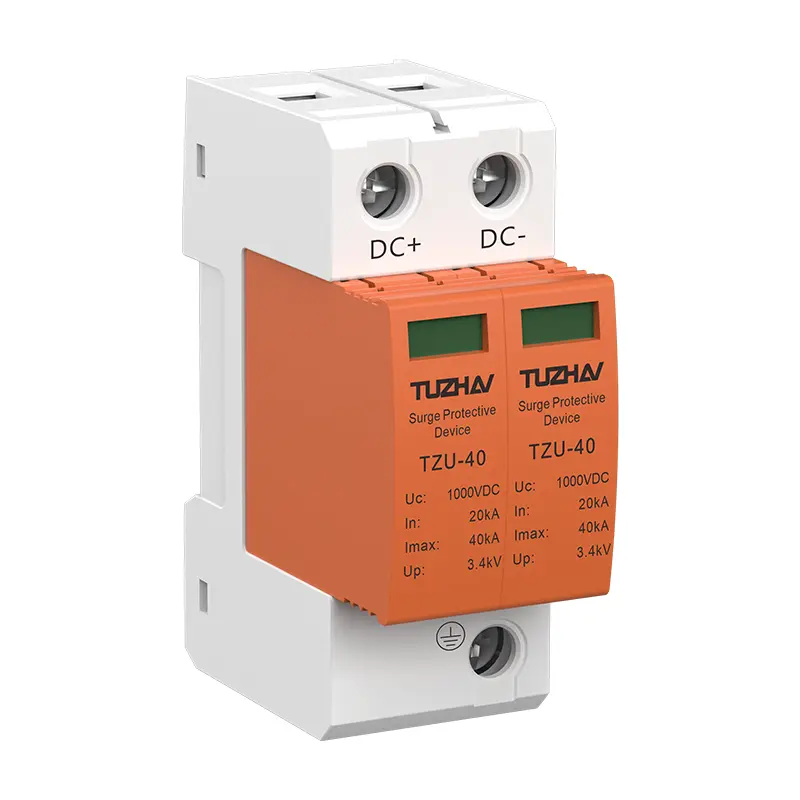
Even with premium DC breakers, solar arrays remain exposed to transient over-voltage. Lightning injects high-amplitude surges along long outdoor PV wiring — nanosecond-scale spikes pass through breakers without triggering trips.
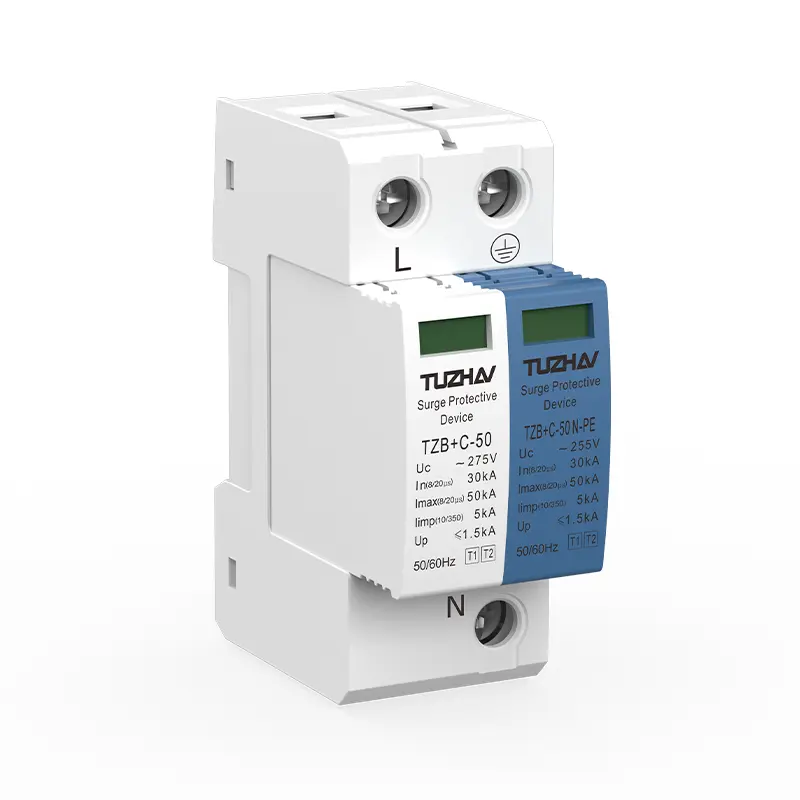
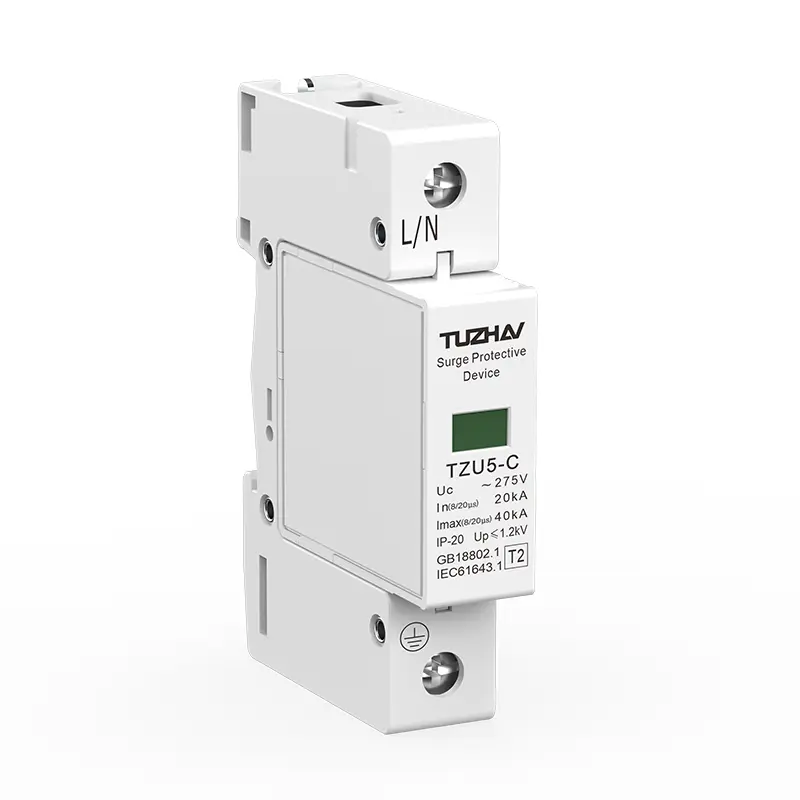
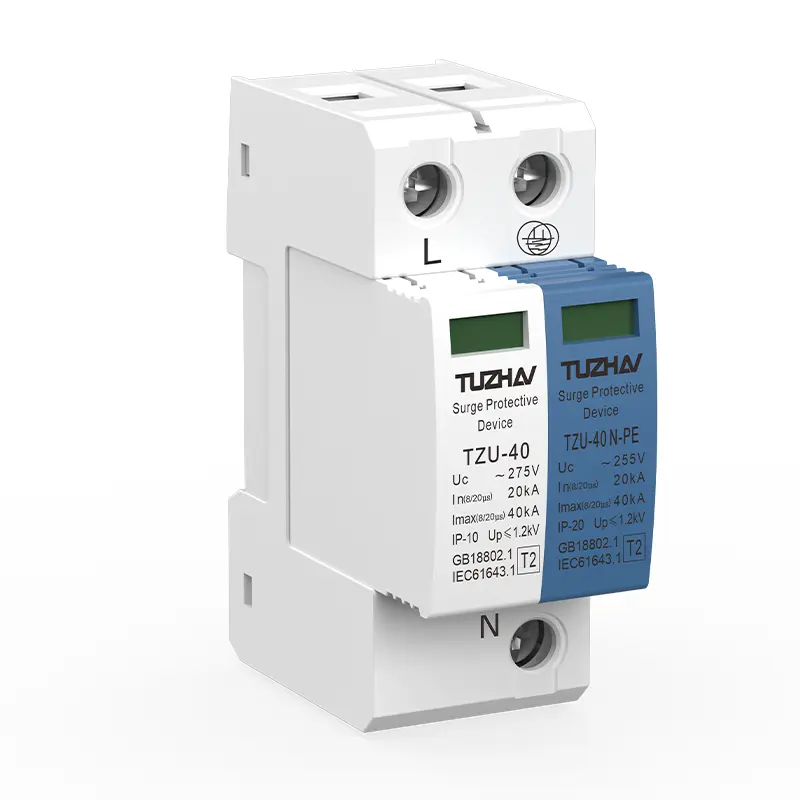
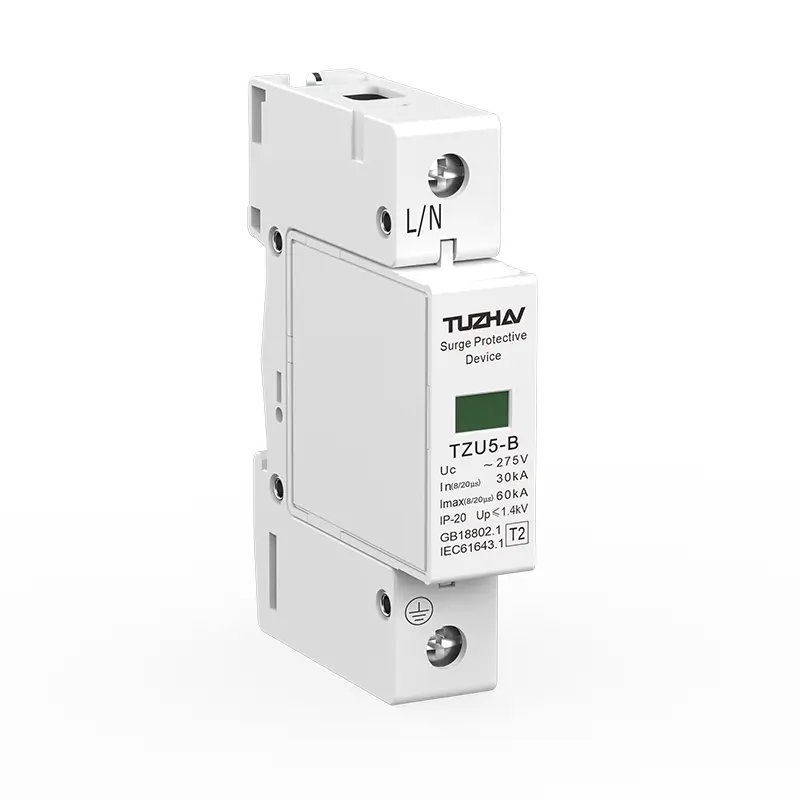
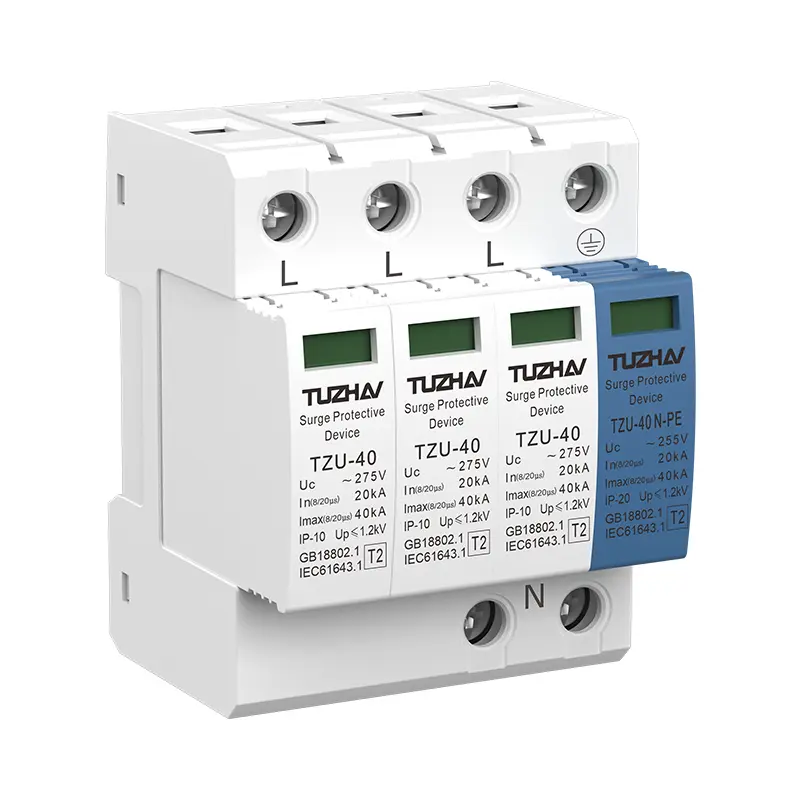
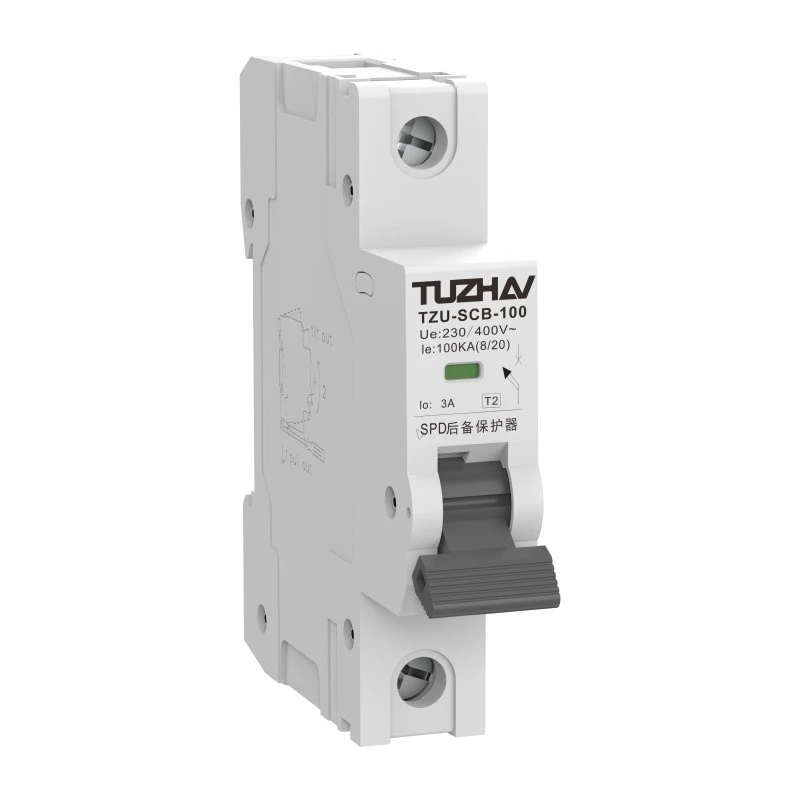
Type 1+2 Surge Protective Device for solar PV

Surges Bypass Circuit Breakers Entirely

Lightning-caused and switching-operation surges can burn inverter internal power modules — causing costly downtime and repair work. A Surge Protective Device diverts surge current to earth within nanoseconds, clamping hazardous over-voltage to safe levels.

Correct SPD + Breaker Pairing

Coordination between Surge Protective Device and Circuit Breaker defines long-term solar-plant reliability. When SPD suffers thermal ageing after absorbing multiple lightning surges, it risks creating DC short-circuit failure modes.

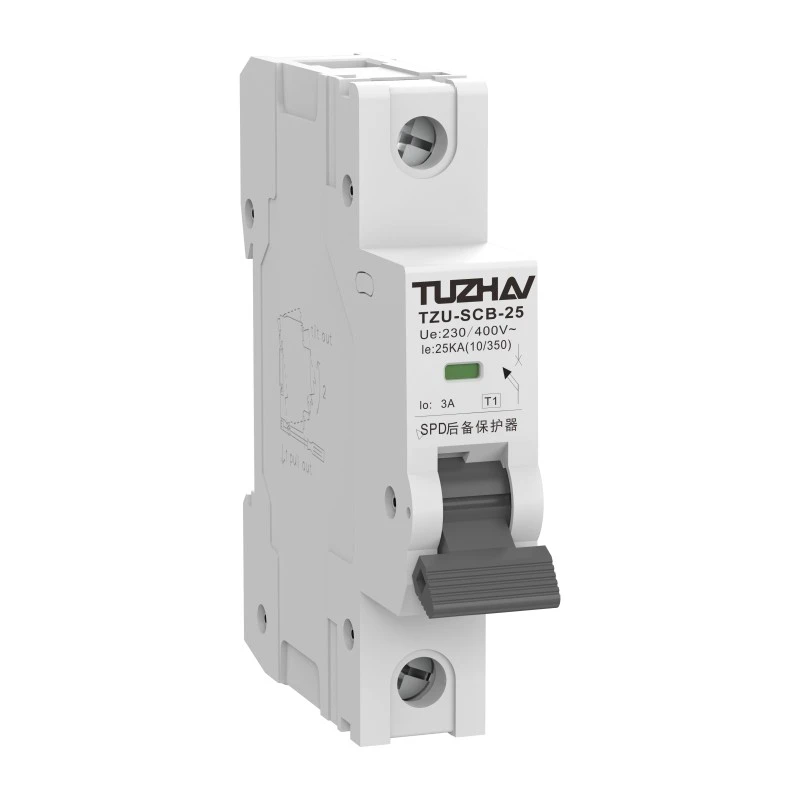
Matched upstream protection Matching breaker or dedicated SPD surge backup protector isolates a defective SPD unit
Correct short-circuit rating Pair SPD and breaker according to system short-circuit parameters
Undersized breaker Nuisance tripping during surge events — unnecessary shutdowns
Oversized breaker Fails to offer effective fault-isolation for SPD failure

Always follow manufacturer coordination tables to pair Surge Protective Device and Circuit Breaker by system short-circuit parameters.

Field Installation Practice

Many solar-project failures trace back not to product quality defects, but to poor coordination plus careless on-site wiring work.

01
Keep SPD cables short Long looping wiring adds impedance and reduces real surge-clamping performance.
02
Use low-resistance earthing Grounding networks need low-resistance electrodes so surge energy dissipates efficiently.
03
Coordinate, don't improvise Match every SPD with its upstream breaker or backup protector using official tables.
Lifespan Extended inverter service life
Cost Reduced maintenance expenditure
ROI Improved overall return-on-investment

As renewable-energy markets expand, solar system specifiers must treat Surge Protective Device and Circuit Breaker as complementary core safety hardware rather than optional add-ons. Well-matched protection solutions extend inverter lifespan, cut maintenance expenditure and improve overall return-on-investment for residential rooftop, commercial PV and large-scale solar-farm projects.

Frequently Asked Questions

Common questions about solar PV surge protection and breaker selection.

Can I use a standard AC circuit breaker on solar DC circuits?
No. DC arc-extinguishing demands special contact structures. Standard AC breakers cannot safely interrupt DC fault arcs. Use DC-specific breakers rated 1000 V or 1500 V with sufficient short-circuit breaking capacity.
Why do solar arrays need a DC Surge Protective Device?
PV systems are exposed to lightning-induced transients along long outdoor wiring. These nanosecond-scale surges pass through breakers without tripping and can destroy inverter power modules. A DC Surge Protective Device diverts surge energy to earth while withstanding continuous DC operating voltage.
What is the difference between Type 1+2 and Type 2 SPD for solar?
Type 1+2 SPD handles both direct and indirect lightning strikes and is typically fitted at combiner-box outputs. A secondary Type 2 SPD protects the inverter AC output side connected to the utility grid.
Why does an SPD need matched upstream protection?
When an SPD thermally ages after absorbing multiple surges, it can fail into short-circuit mode. A matched breaker or dedicated SPD surge backup protector must reliably isolate the defective unit, avoiding continuous fault current and cabinet fire hazards.
How important is SPD wiring length?
Very important. Long looping SPD connection cables add impedance and reduce real surge-clamping performance. Keep leads as short as possible, and use low-resistance earthing electrodes so surge energy dissipates efficiently.
What causes most solar protection failures?
Many failures trace back not to product defects, but to poor SPD-breaker coordination plus careless on-site wiring work. Following manufacturer coordination tables and installation guidelines dramatically reduces risk.

Protect Your Solar Investment

Get matched DC SPD and breaker combinations, coordination tables and fast quotations for rooftop, commercial and utility-scale solar projects.

Related News
Leave me a message
X
We use cookies to offer you a better browsing experience, analyze site traffic and personalize content. By using this site, you agree to our use of cookies. Privacy Policy
RejectAccept