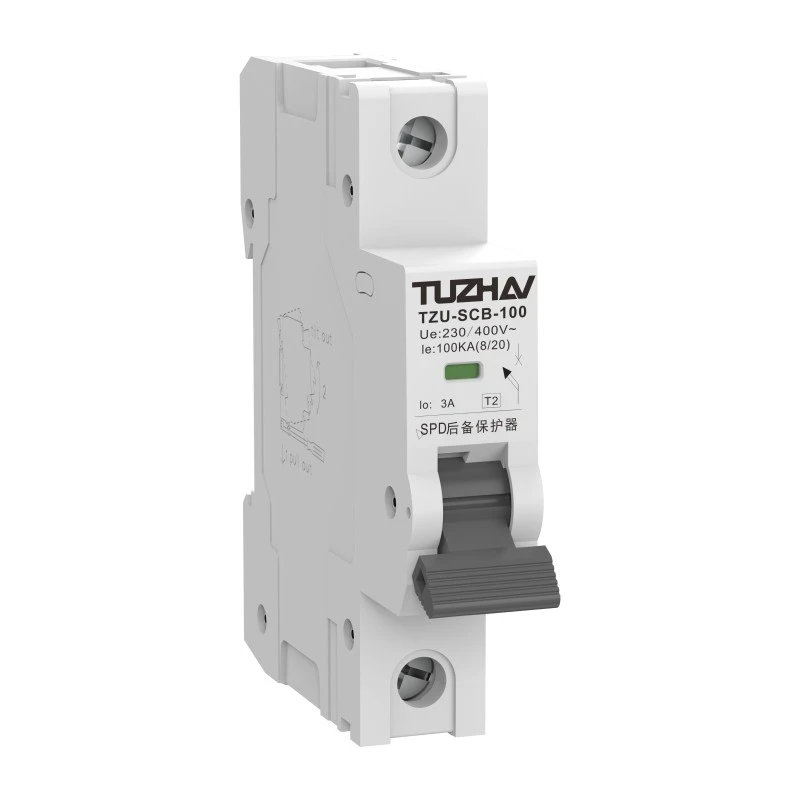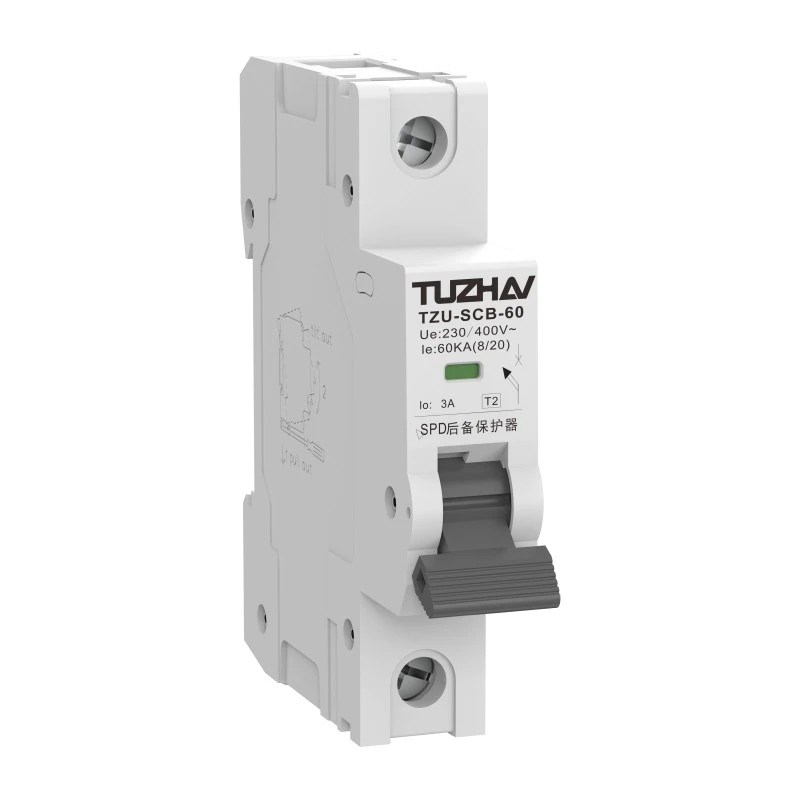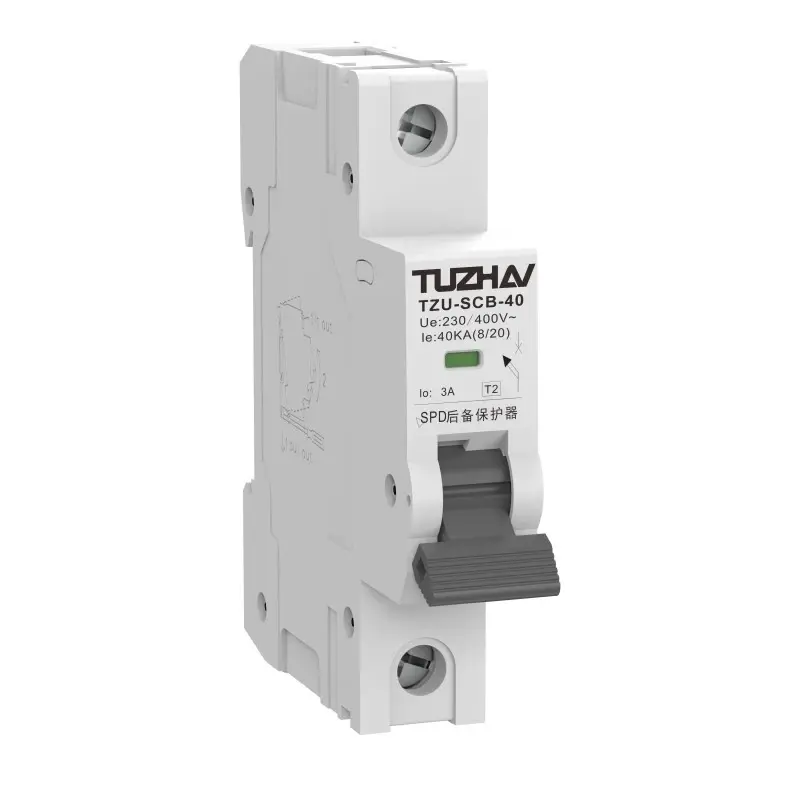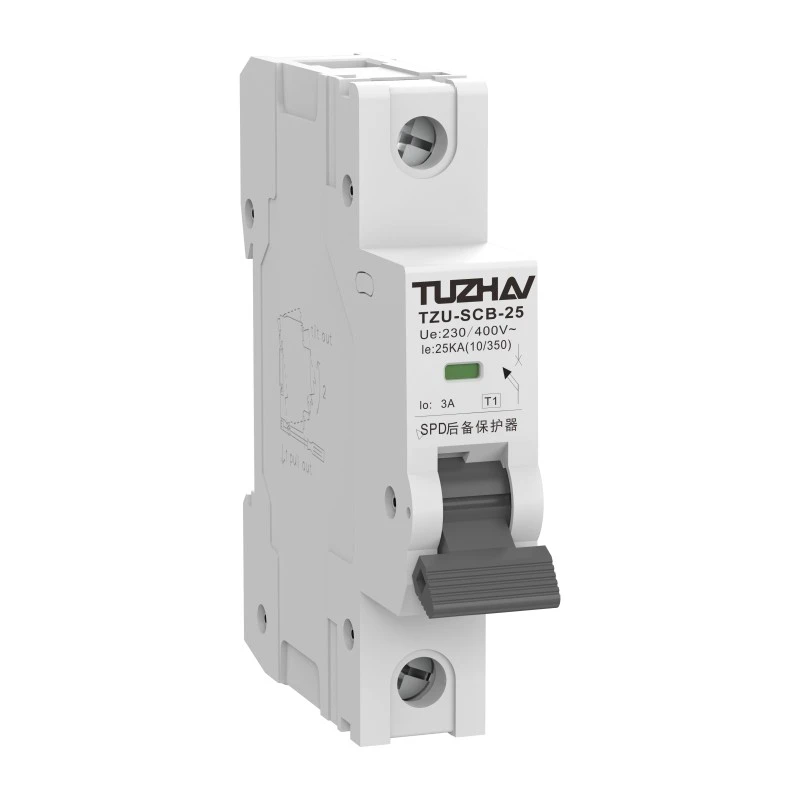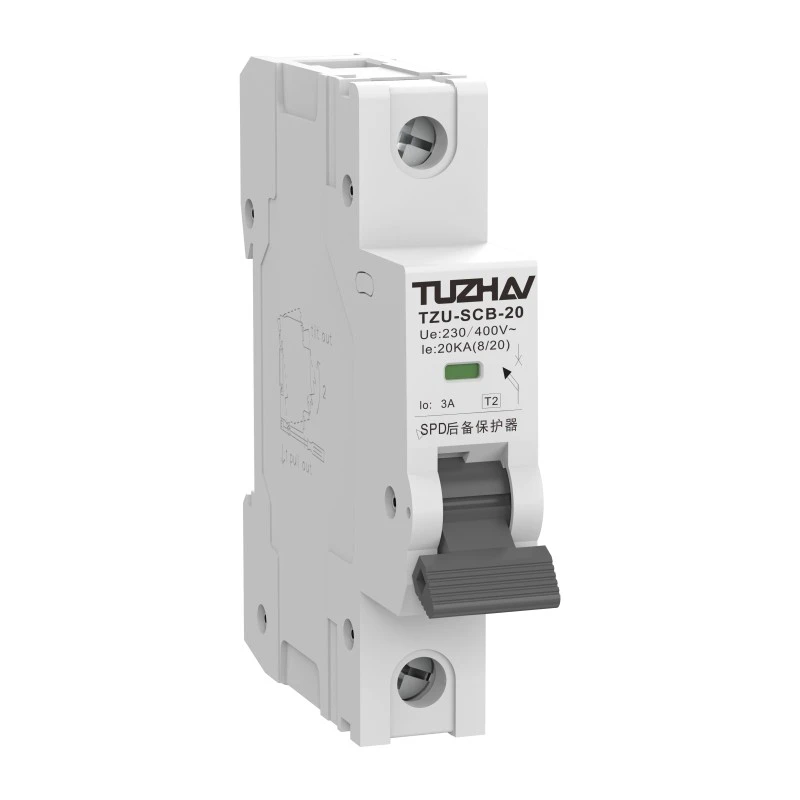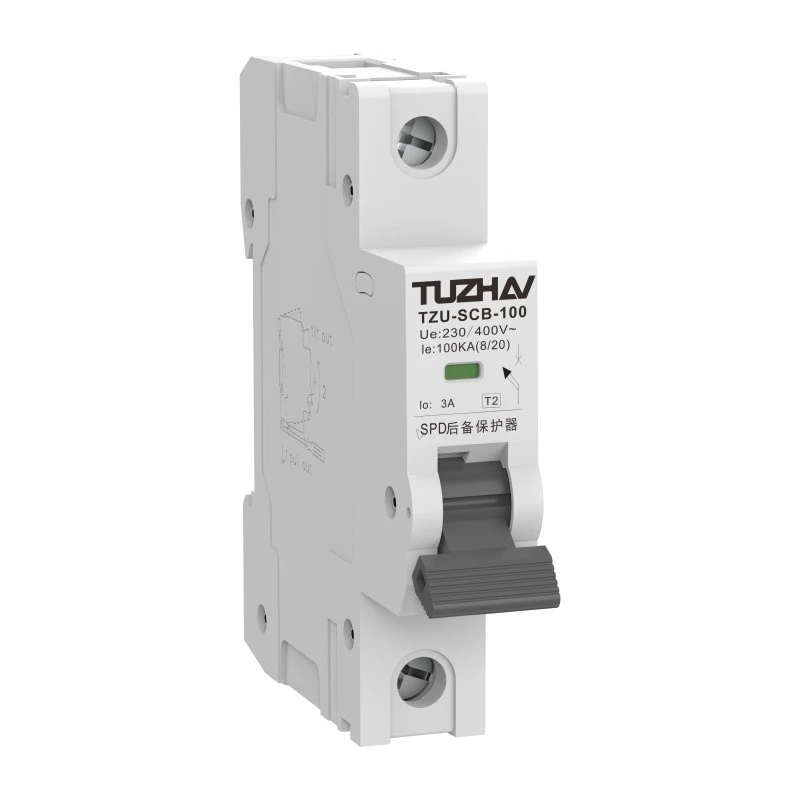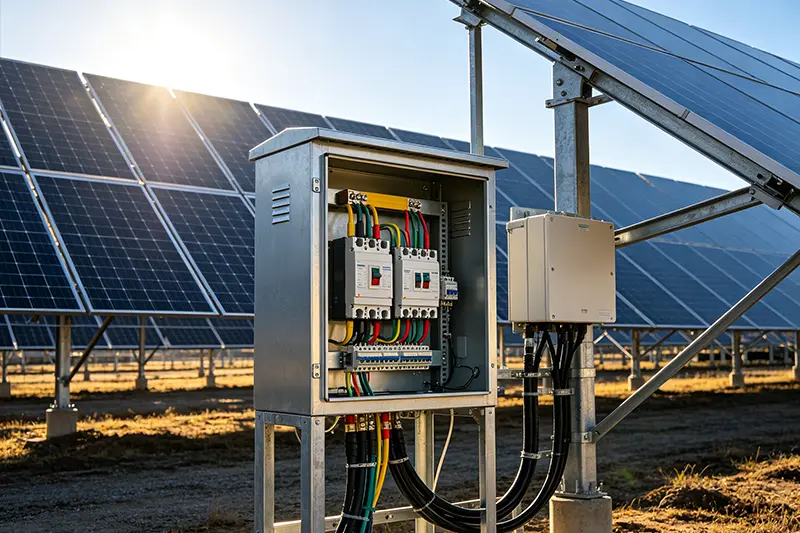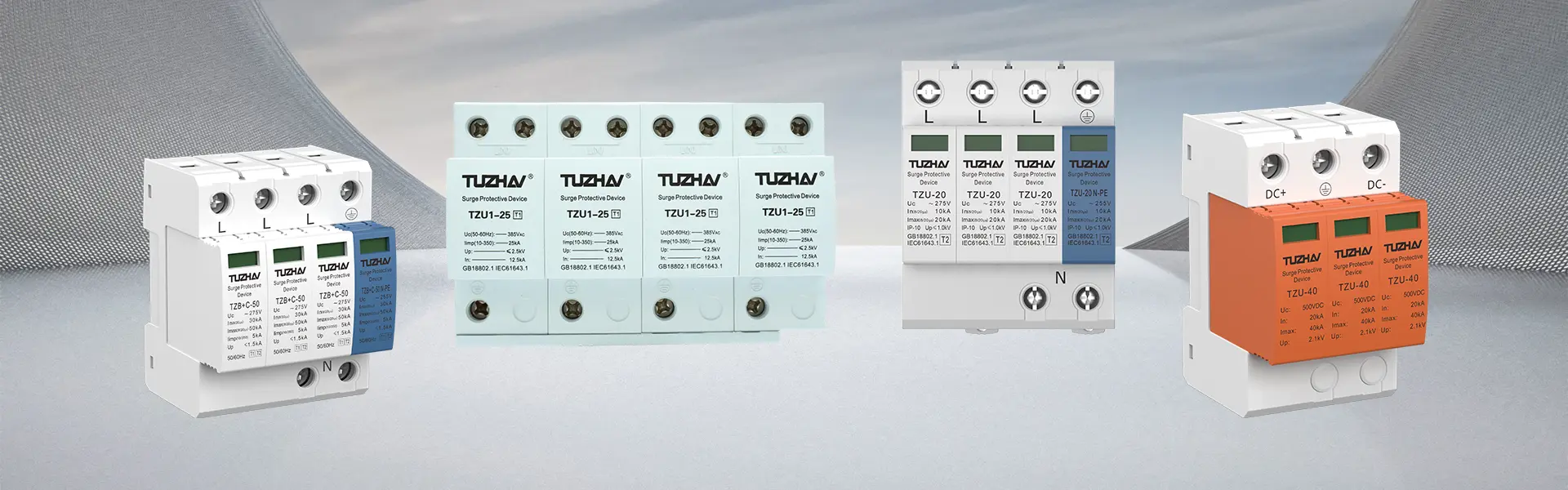
An SPD Backup Protector is installed alongside a surge protection device (SPD) to provide dedicated backup protection within a low-voltage electrical system. It helps address fault conditions associated with the SPD branch and supports coordination between the surge protection device and its upstream protective device.
Selecting an SPD Backup Protector requires checking its compatibility with the SPD, the electrical system parameters and the backup protection requirements specified for the installation. Rated current, short-circuit conditions and coordination requirements should be considered together to ensure the selected device matches the intended application.
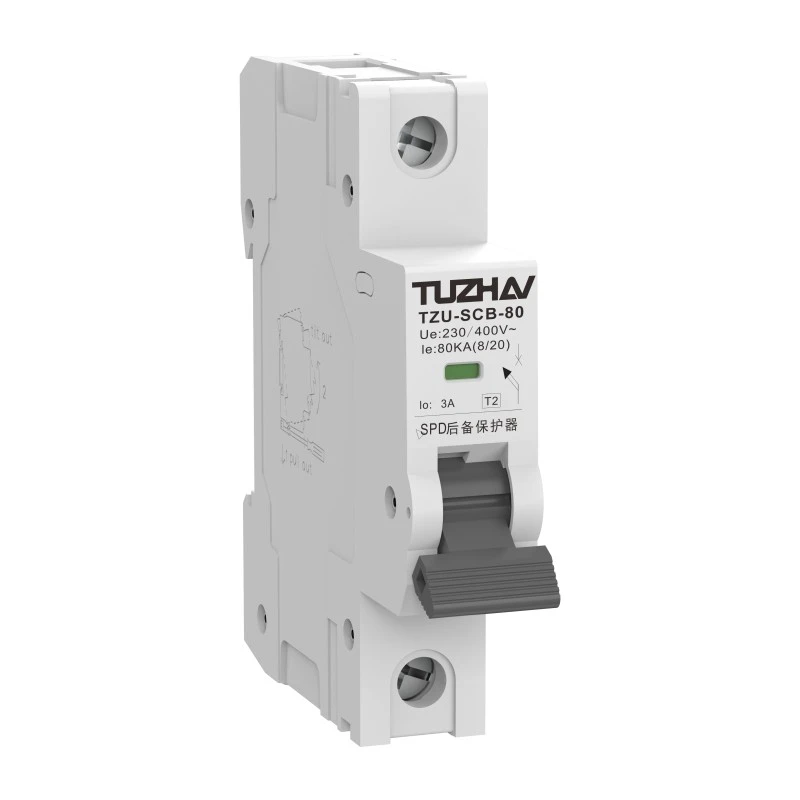
In an SPD installation the backup protective device and the surge protection device perform different functions. The SPD limits transient overvoltage, while the backup protector provides overcurrent protection under specified fault conditions. The appropriate combination depends on the SPD manufacturer’s recommendations and the applicable electrical installation standards.
The backup protector disconnects the SPD branch when a fault condition exceeds its specified limits, helping to limit damage to the panel and the connected system.
Correct matching of the SPD, the backup protector and the upstream device supports selective operation so the intended device clears the fault.
A dedicated backup device reduces unnecessary interruption of the main circuit and keeps the rest of the distribution board in service where the design allows.
Visual status indication and optional remote signalling make inspection and preventive maintenance easier for industrial and commercial installations.
When choosing an SPD Surge Backup Protector, confirm the compatible SPD models, rated voltage, current rating, breaking capacity and installation requirements against the product documentation. Where a project specifies a particular SPD model or protection arrangement, verify compatibility before finalizing the configuration.
Match the backup protector to the SPD model and type — such as Type 1+Type 2 SPD, Type 2 AC SPD or solar DC SPD — and follow the manufacturer’s coordination requirements.
Confirm the system voltage and the rated current of the SPD branch so the backup protector operates correctly under normal load conditions.
Review the prospective short-circuit current at the installation point and select a device whose breaking capacity covers the fault level of the system.
Choose the pole configuration, 35 mm DIN rail mounting style and whether remote signalling is required for monitoring or building management systems.
| Function | Surge Protection Device (SPD) | SPD Backup Protector |
|---|---|---|
| Primary role | Limits transient overvoltage and diverts surge current away from sensitive equipment | Provides backup disconnection for the SPD branch under specified fault conditions |
| Installation position | Connected in parallel with the line it protects | Connected in series within the SPD branch |
| Selection basis | Surge current rating, voltage protection level, system type | SPD compatibility, rated current, breaking capacity |
| Typical values | 20 kA to 100 kA surge ratings across the range | Matched to the connected SPD and system parameters |
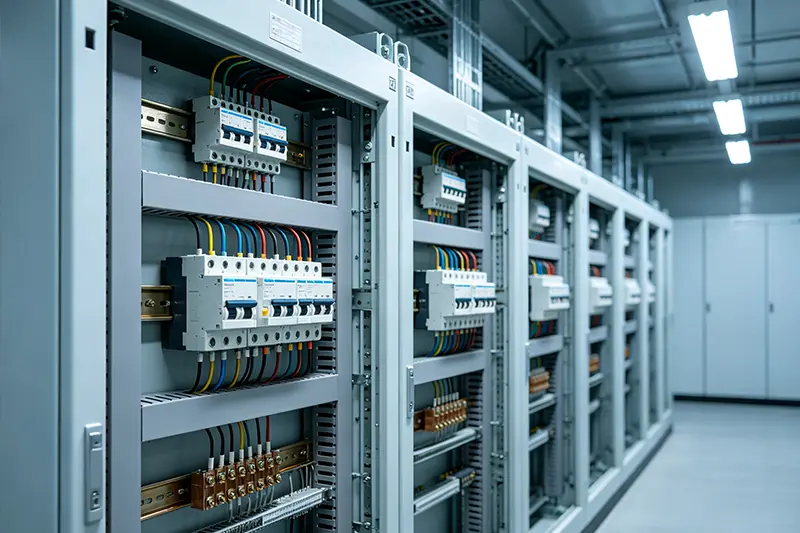
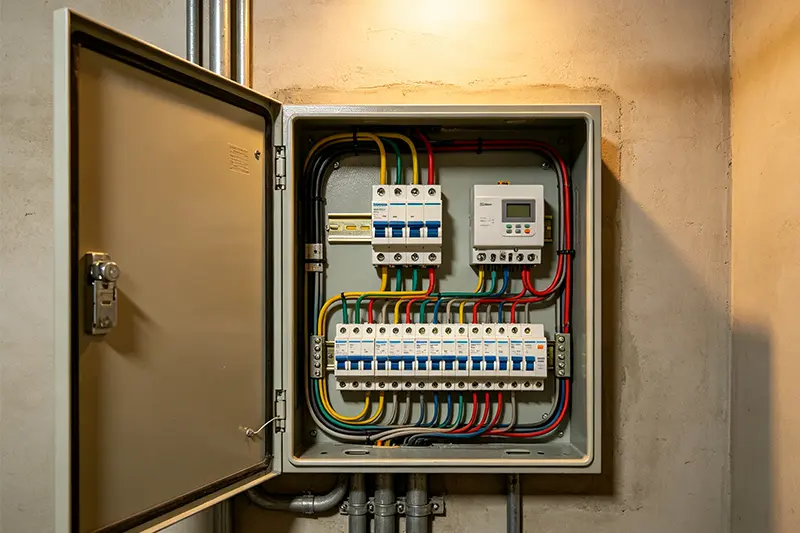
SPD Backup Protectors are used wherever a surge protection device needs a dedicated backup protection arrangement within a distribution panel or cabinet.
Provide the SPD model and the relevant electrical parameters of your system, and our team will help you confirm a suitable specification for your project.
An SPD Backup Protector is a dedicated protective device installed in series with the surge protection device branch. It provides overcurrent and backup disconnection for that branch, helping to isolate fault conditions from the rest of the electrical system while the SPD continues to handle transient overvoltage.
A surge protection device is designed to divert transient surge current, but it is not necessarily rated to interrupt all fault currents on its own. A dedicated backup protector supports coordination with the upstream protective device and helps reduce the risk of damage or unnecessary downtime when a fault occurs on the SPD branch.
Start with the SPD manufacturer’s coordination requirements, then check the rated voltage and current, confirm the breaking capacity against the prospective short-circuit current at the installation point, and select the pole configuration and mounting style. Optional remote signalling should be specified at the same time if monitoring is required.
In some installations a miniature circuit breaker (MCB) can serve as the upstream or backup protective device, provided its breaking capacity, magnetic trip characteristics and rated current are matched to the SPD and the expected fault conditions. Where a dedicated backup protector is specified, verify that it meets the SPD manufacturer’s requirements and the applicable installation standards.
Backup protectors are available in ratings suited to different SPD types. The correct selection depends on the connected device — including Type 1 AC SPD, Type 2 AC SPD and solar DC SPD — together with the system parameters. Always confirm compatibility against the product documentation.
Please share the SPD model and type, system voltage, prospective short-circuit current, required pole configuration, mounting method and whether remote signalling is needed. With these details we can recommend an appropriate specification and confirm availability.
Explore the wider TU-SHAN Electric low-voltage protection range for a complete distribution panel solution.