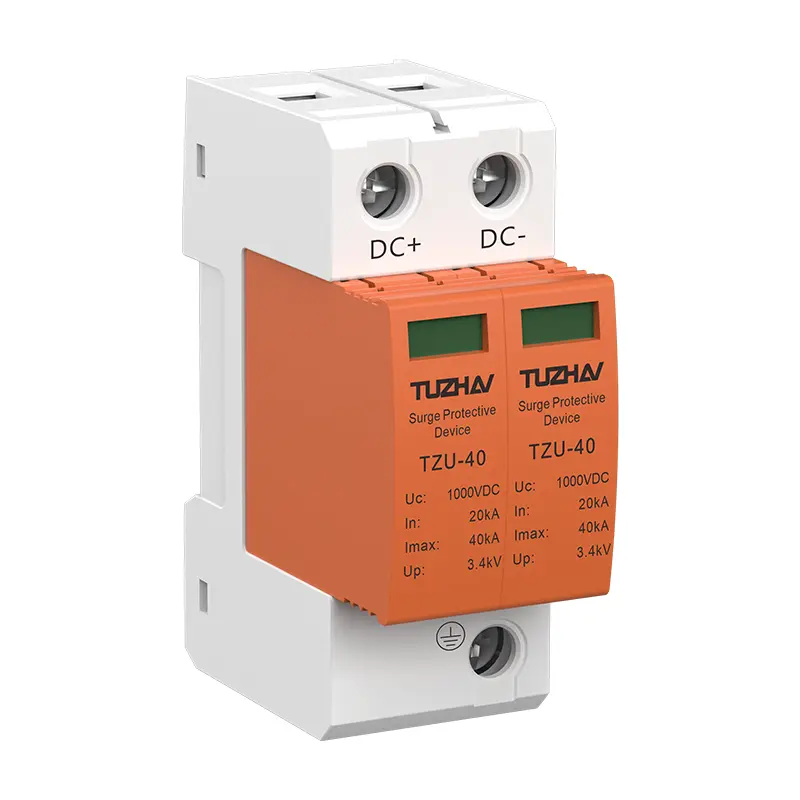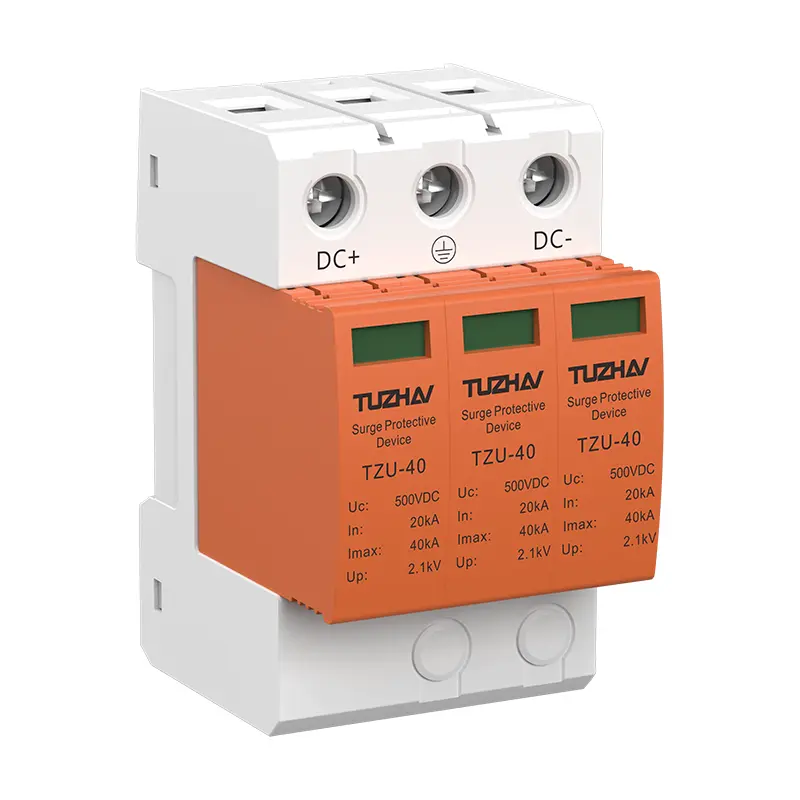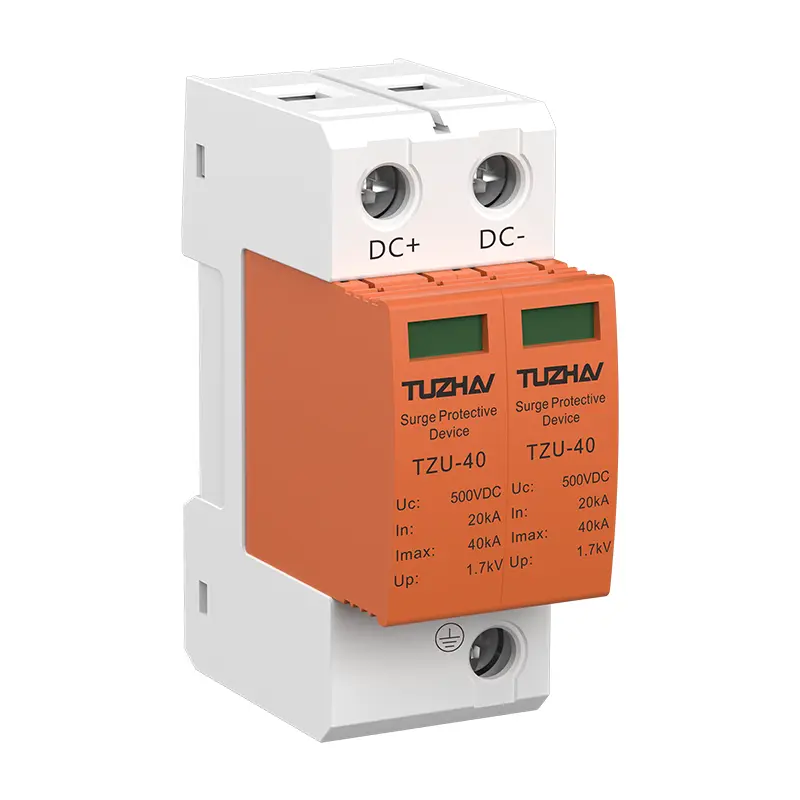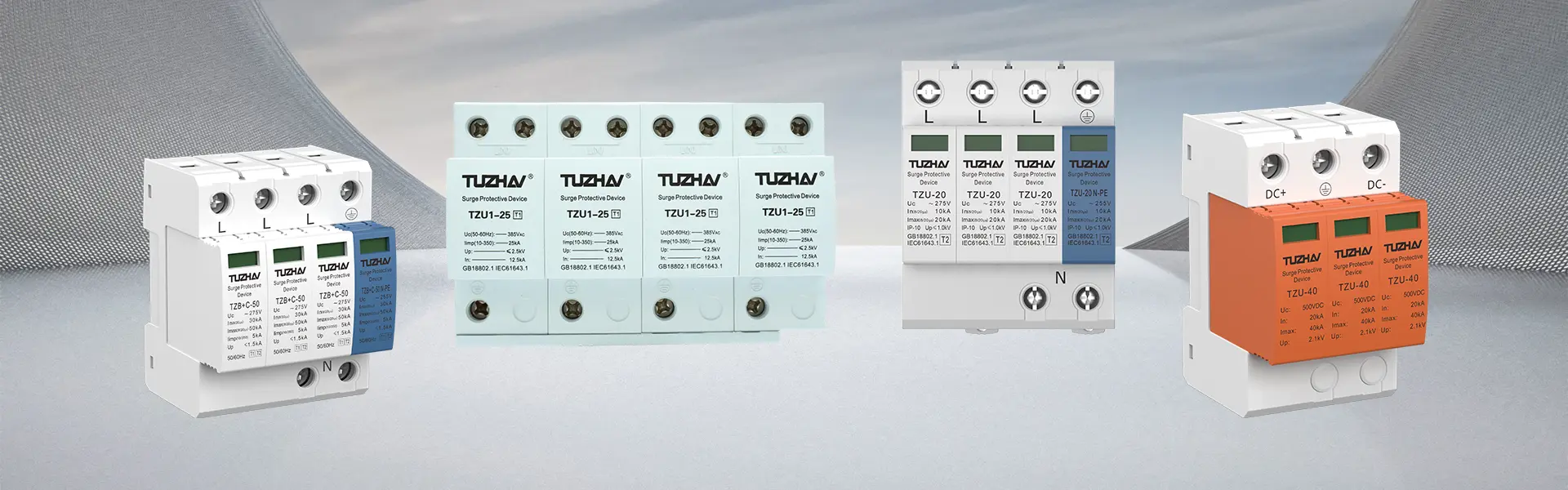
Solar photovoltaic systems operate with DC power, so surge protection must match the electrical characteristics of the PV installation. A Solar DC Surge Protection Device (SPD) is designed to limit transient overvoltages on the DC side of a solar system, helping protect modules, combiner boxes, inverters and connected equipment against surge events.
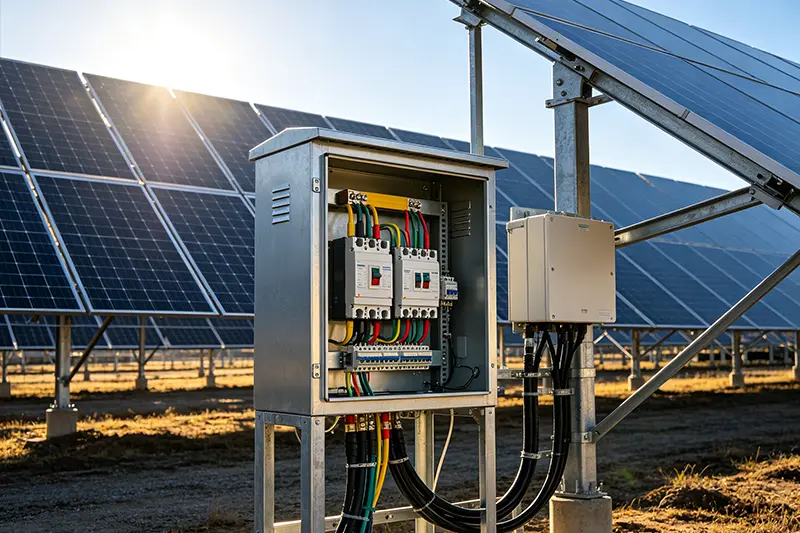
In a typical PV installation, DC surge protection may be required between the solar panels and the inverter, depending on system layout, cable routing, lightning exposure and applicable installation standards. The correct protection arrangement should be determined by the system design rather than by the SPD alone.
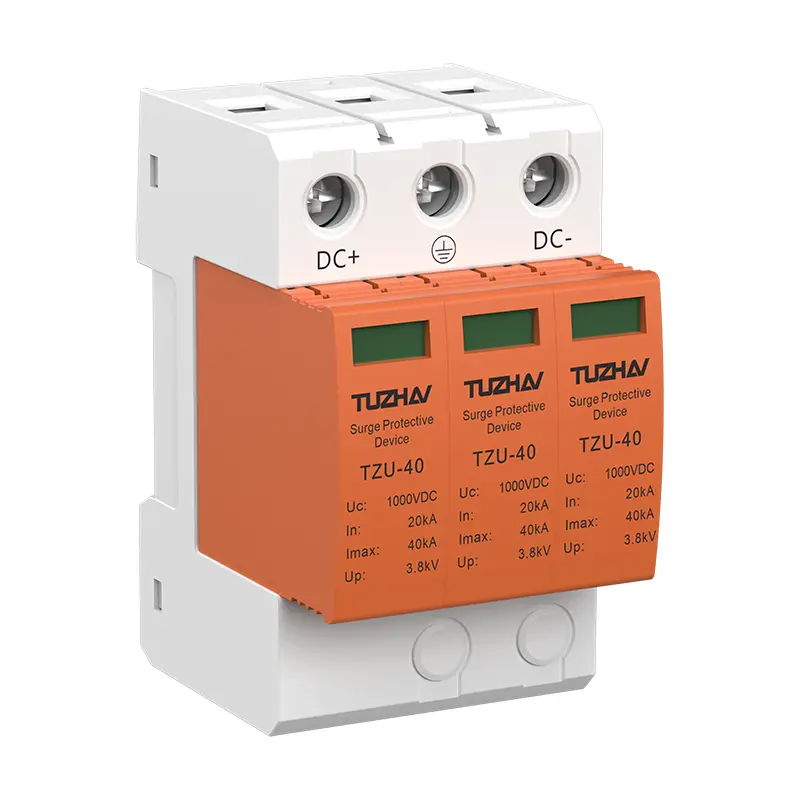
Four parameters decide whether an SPD is genuinely suitable for your photovoltaic array.
Check the Ucpv against the highest open-circuit voltage of the array at the lowest expected temperature. The device must be rated for the DC voltage of the installation.
The Up value must sit below the withstand voltage of the protected equipment. Lower protection levels give tighter clamping of surge events.
Compare In (nominal) and Imax (maximum) discharge currents with the expected surge exposure and the installation location category.
Choose 2P (DC+ / DC− to PE) or 3P layouts that fit your combiner box. An AC surge protector should never be substituted for a PV-rated DC model.
Send us your system voltage, inverter model and installation requirements — our engineers will match the specifications against your project.
Common questions about solar DC surge protection devices.
A Solar DC Surge Protection Device limits transient overvoltages on the DC side of a photovoltaic system. It is installed between the PV strings and the inverter — typically inside a combiner box or inverter cabinet — to protect modules and electronics from surges caused by induced lightning or switching operations.
No. DC arcs do not self-extinguish the way AC arcs do, and the voltage ratings behave differently. A PV installation requires a DC-rated surge protector with a suitable Ucpv for the array voltage. An AC SPD should not be substituted for a PV-rated DC model.
Match the SPD to the maximum system voltage of your array. Residential and small commercial strings commonly use the 500V DC Type 2 SPD, while larger rooftop and utility-scale systems typically require the 1000V DC Type 2 SPD.
A 2P device provides DC+ to PE and DC− to PE protection using two plug-in modules. A 3P configuration adds a further pole for systems that require additional paths or a dedicated grounding arrangement. The choice depends on your inverter topology and combiner box design.
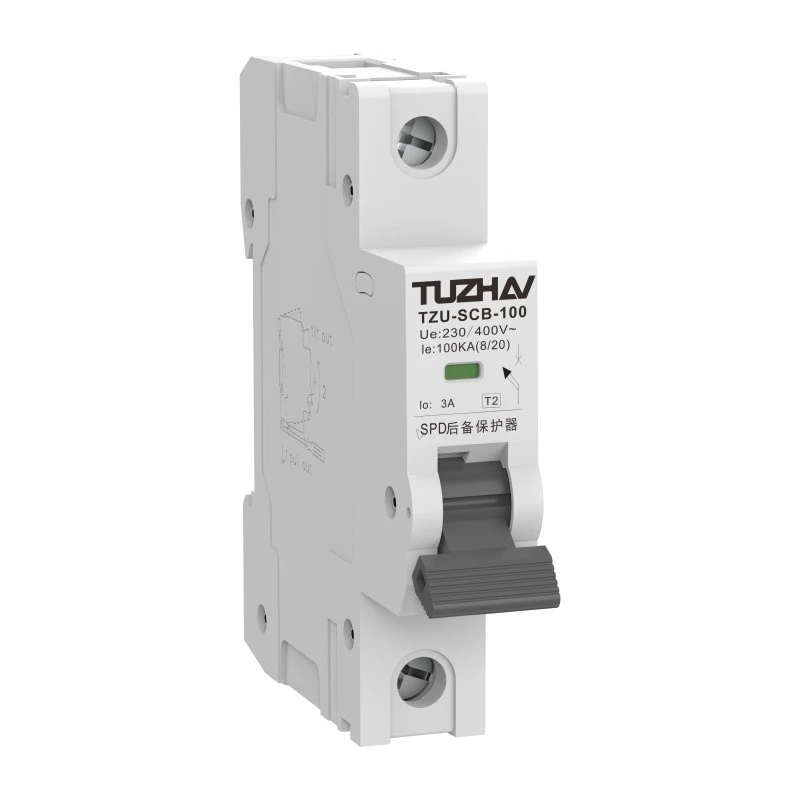
TU-SHAN DC surge protectors feature a visual status indicator. When the window changes colour, the protection module has reached end of life and the plug-in cartridge should be replaced. Check the indicator during routine PV maintenance.
Yes. TU-SHAN Electric supplies surge protection devices, circuit breakers and distribution boxes for PV and low-voltage applications. Share your voltage, current and quantity requirements through the inquiry form and our team will respond with specifications and pricing.
Provide your PV system voltage and installation requirements so product specifications can be checked against your project.
Request a Quote →